Song Meaning
The lyrics paint a stark picture of displacement and the yearning for belonging. The opening lines suggest a deliberate departure, a shedding of one's former life and even one's own shadow in pursuit of an unknown future. This act of leaving is driven by a potent mix of 'hunger and illusion,' forces that disregard caution and propel the narrator into a leap of faith, a 'brinco al vacío.' The emotional weight of this decision is palpable, hinting at a profound sense of isolation and being an outsider.
The central tension arises from the contrast between the narrator's past efforts and their present reality. Despite 'many years cooperating,' the narrator remains 'alone' and identifies as 'the forbidden.' This feeling of otherness is amplified by the powerful refrain, 'No aproveches ya / El abandono total / Ningún ser humano es ilegal.' This plea directly confronts potential prejudice, asserting fundamental human dignity against a backdrop of societal rejection and 'total abandonment.' The repeated phrase 'Ningún ser humano es ilegal' acts as a defiant assertion of personhood in the face of dehumanizing circumstances.
The lyrics powerfully employ the metaphor of natural forces to describe the experience of migration and the resulting animosity. The line 'Frontera no te confundas / No es una invasión / Es el curso de los ríos' reframes movement not as an aggressive act but as an inevitable, natural flow, akin to rivers finding their course. This imagery attempts to strip away the political and fearful connotations of borders, presenting migration as an organic, unstoppable phenomenon. However, this naturalistic view is juxtaposed with the harsh reality of 'racial hatred,' suggesting that while the movement might be natural, the human reaction to it is tragically, violently artificial.
The ultimate emotional impact of these lyrics stems from the persistent, almost melancholic hope embedded in the repeated phrase, 'Será mañana que / En el camino te lleve a casa.' This refrain, sung multiple times, offers a fragile promise of return or arrival, a future where 'home' is found. It’s a testament to enduring resilience, a quiet insistence that despite the present hardships and the feeling of being 'forbidden,' a sense of belonging or return is still possible, even if it remains perpetually on the horizon, 'tomorrow.'
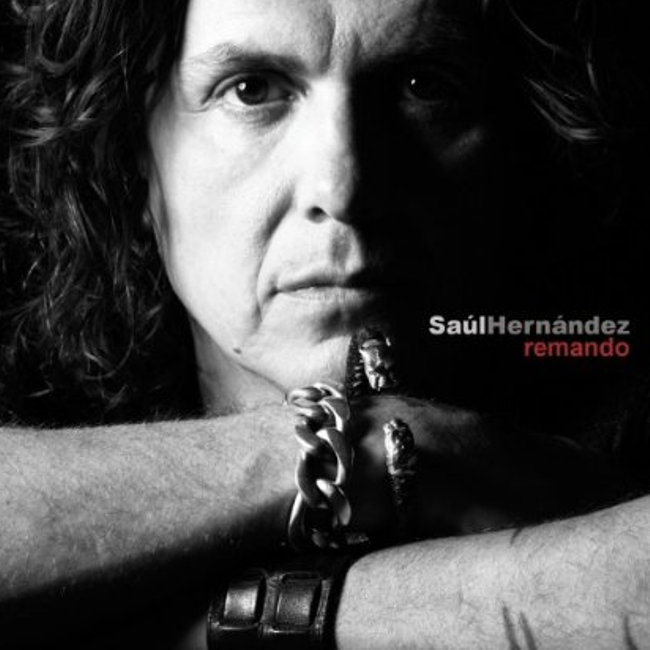
 View Artist