Song Meaning
The lyrics paint a picture of a solitary figure attuned to the raw, elemental forces of nature, particularly a harsh, northern landscape. There's an immediate sense of quiet observation, with the narrator listening to the wind's constant song, suggesting a deep connection to the natural world that requires an open, receptive spirit. This connection is framed by imagery of "lonely dark" and "morning haze," establishing a mood of introspective solitude amidst a vast, ancient environment.
The core tension seems to arise from the narrator's desire to be fully awakened and consumed by these powerful forces, rather than passively observing them. The repeated commands "Winter - wake me" and "Fire - burn me" express a yearning for intense experience, a willingness to be transformed by the elements. This is juxtaposed with the idea of an "ageless northern spirit," implying an inherent, enduring strength that the narrator embodies or seeks to embrace.
The most striking craft element is the direct, almost primal invocation of natural elements as active agents of change. The mountains "speak of time before time," and the narrator is "Tore[n] out of my rhythm" by external stimuli like "faint cries from ocean birds" and "rays of light." This personification and disruption of the narrator's internal state highlight the overwhelming power of the external world and the narrator's embrace of it, culminating in the defiant calls to "Stand up!" and "To the front!"
Ultimately, these lyrics resonate through their stark, unadorned language and the powerful imagery of surrender and resilience. The narrator's willingness to be "woken" and "burned" by the "ageless northern spirit" suggests a profound acceptance of life's intense, transformative moments, finding strength not in comfort, but in a fearless engagement with the wild and the ancient.
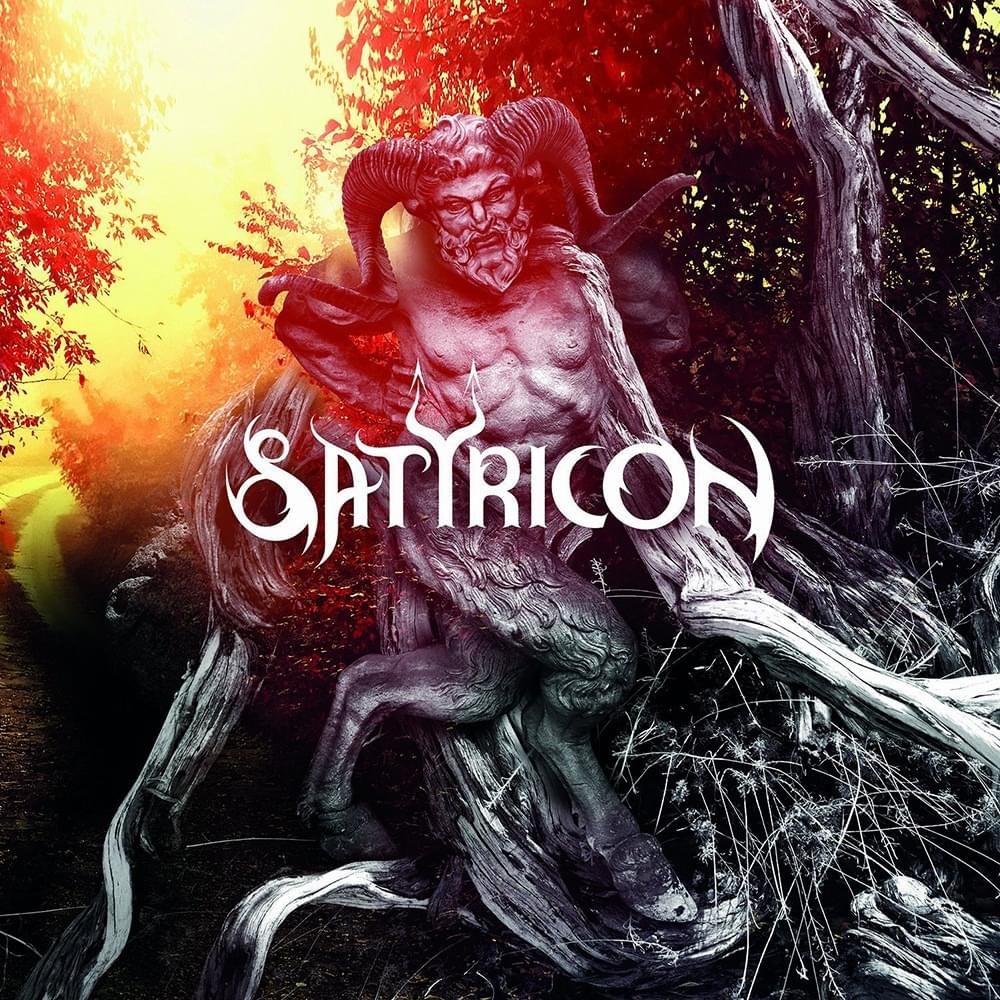
 View Artist