Song Meaning
The lyrics grapple with a pervasive sense of societal apathy and a failure to learn from history. The narrator poses direct questions about why people witness suffering and choose to ignore it, highlighting a disconnect between observed pain and inaction. This inaction is framed as a conscious choice, a turning away that allows hurt to persist unchecked. The repeated phrase "from the past" underscores a cyclical pattern of mistakes and a lack of progress.
The central tension lies in the contrast between outward appearances and inner responsibility. While "politicians choke," the public "stand off, believing it's okay," suggesting a collective abdication of moral duty. This passive stance is further emphasized by the idea that "a thousand words can't say" what needs to be done, implying that mere discourse is insufficient. The lyrics question the ease with which people remain "oblivious," seeking personal fulfillment while their "conscience" is seemingly clear, leading to a profound existential query: "what we're doing here."
The most striking aspect is the repeated call to "reach inside our hearts." This isn't a plea for introspection in isolation, but a direct challenge to find the capacity for change and empathy within. The lyrics propose that this internal shift is the only way to "build on what we've got" rather than "throw it all away." The question of whether "our children run like we do" serves as a stark warning about the legacy of this current generation's inaction, suggesting a future mirroring the present's failures.
Ultimately, the effectiveness of these lyrics stems from their direct, almost accusatory, questioning and the stark imagery of willful ignorance. By posing these uncomfortable questions and highlighting the contrast between societal problems and individual complacency, the narrator forces a confrontation with personal accountability. The recurring motif of reaching inward offers a glimmer of hope, but only if that inward turn leads to outward action and a commitment to not repeating past mistakes.
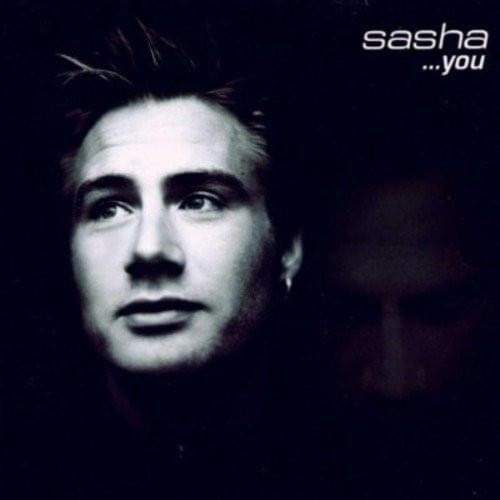
 View Artist