Song Meaning
The lyrics paint a picture of a love that's both a beautiful mistake and a profound certainty. The narrator calls the subject their "najlepša, greška si najveća" (most beautiful, biggest mistake), immediately establishing a complex emotional landscape. This isn't a simple infatuation; it's a deep, almost fated connection that defies logic, so much so that other past loves have faded from memory. The narrator admits to "tonem sa osmehom" (sinking with a smile), suggesting a willing surrender to this overwhelming feeling, even if it leads to a kind of beautiful ruin. They'd "ponovo na tvoje usne opekô" (burn themselves on your lips again), a vivid image of choosing pain for the sake of intense connection.
The central tension arises from the subject's disbelief in the relationship, despite the narrator's conviction. "Sve dobro znaš, al' ne veruješ ti u nas" (You know everything well, but you don't believe in us) highlights this disconnect. The narrator insists "Nije ovo s nama slučajno" (This isn't accidental with us), framing their bond as destiny. They offer their heart as a sanctuary, "Jedino u srcu mome si na sigurnom" (Only in my heart are you safe), a powerful declaration of protection and commitment against external doubts and "sile zle" (evil forces) that threaten their happiness.
The writing cleverly juxtaposes the subject's perceived sinfulness with their innocence: "Ti, moja jedina, grešna, a nevina" (You, my only one, sinful, yet innocent). This paradox suggests a love that transcends conventional morality or judgment. The narrator dismisses "prazne priče" (empty stories) in favor of "volim delima" (loving with deeds), emphasizing action over gossip. The plea "Ne dozvoli sile zle da nam sreću pokvare" (Don't let evil forces spoil our happiness) reveals an awareness of external pressures or internal doubts that could dismantle their fragile, yet deeply felt, union.
What makes these lyrics resonate is the raw, almost desperate sincerity. The narrator isn't just expressing love; they're fighting for it, offering unwavering devotion as a shield against doubt and misfortune. The repetition of the chorus reinforces this plea, turning it into an anthem of protective love. The bridge, with its image of standing by the subject "pod ovim nebom sivim" (under this gray sky), even if they "pođeš dalje" (go further), solidifies a commitment that seems to transcend the relationship's current form, offering a profound, almost unconditional, sense of belonging.
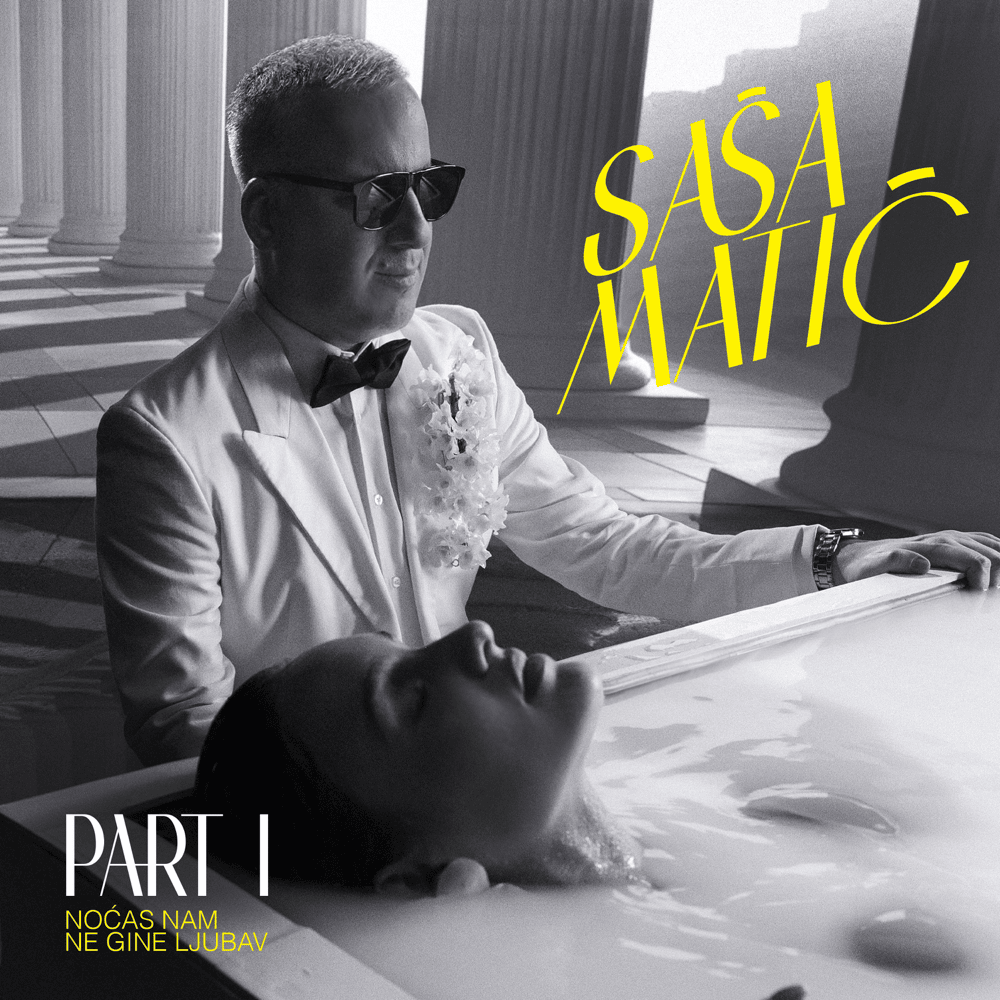
 View Artist