Song Meaning
This song centers on a radical shift in perspective, emphasizing that our internal state dictates our experience of the world. The opening lines, "הכל תלוי בראש / הכל תלוי במוח" (Everything depends on the head / Everything depends on the mind), immediately establish this theme. The narrator rejects dwelling on what can be forgotten and the swift passage of time, framing lost moments as a waste. This sets up a narrative of actively choosing a more positive outlook over passive regret.
The core tension arises from the contrast between external circumstances and internal agency. The narrator seeks guidance, visiting a rabbi who advises joy and finding strength from the "שמש הגדולה" (great sun). A gardener teaches them to "לפרוח" (to bloom), illustrating that growth and happiness are cultivated from within. The repeated question, "מה יעשה לי טוב" (what will do me good), underscores this deliberate search for inner well-being.
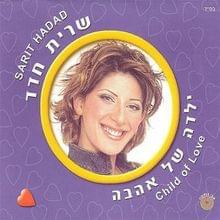
The lyrics build to a powerful declaration of selfhood as a "ילדה של אהבה" (girl of love). This identity is characterized by spontaneous joy, simple pleasures like a flower, and a desire for connection under the "אור ירח" (moonlight). The phrase "עושה שטויות גם בלי סיבה" (does silly things for no reason) suggests an embrace of uninhibited, playful living. This contrasts with the earlier anxieties about time and regret, presenting a liberated spirit.
Ultimately, the song's effectiveness lies in its directness and the empowering message that happiness is an internal choice. The repetition of "הכל תלוי בראש" (everything depends on the head) acts as a mantra, reinforcing the idea that mental and emotional states are paramount. The narrator's aspirations to "לחשוף את העולם / לגעת בשמיים" (reveal the world / touch the sky) are framed not as external achievements but as extensions of this inner state, proving that "וכל השאר שטויות" (and everything else is nonsense).
 View Artist