Song Meaning
The lyrics paint a stark portrait of persistent longing and regret. The narrator is consumed by thoughts of someone absent, stating, "אין זמן שאני לא חושבת עליך" (There isn't a moment I don't think of you). This isn't a fleeting sadness; it's a constant presence, a feeling that permeates every second. The core of this ache seems to stem from unfinished business, a desire to speak, to say goodbye, or even just to offer a final embrace. The repetition of "אין זמן שאני לא נזכרת בך" (There isn't a moment I don't remember you) underscores the inescapable nature of this memory and the pain it carries.
The central tension lies in the narrator's desperate wish for a second chance, a hypothetical scenario where they could have properly parted ways. The lines "לו רק יכולתי איתך שוב לדבר" (If only I could speak with you again) and "לו רק יכולתי לתת חיבוק אחרון" (If only I could give one last hug) reveal a deep-seated regret over unspoken words and unexpressed affection. This yearning is so profound that the narrator declares, "את הכל הייתי נותנת" (I would give everything), emphasizing the immense value placed on even a brief moment of closure or connection. The phrase "אפילו על דקה" (even for a minute) highlights the desperation for any remnant of that lost presence.
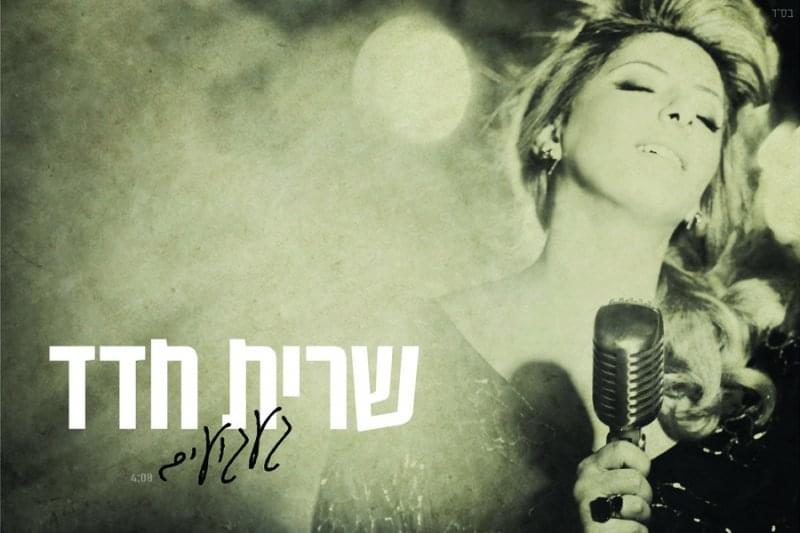
A striking element of the craft is the persistent use of the word "געגועים" (longing/nostalgia), particularly in the latter half. The repeated refrain, "כל השנים רק געגועים נשארו לי" (All these years, only longing remained for me), transforms the abstract feeling into a tangible residue of the past. It suggests that time, rather than healing, has only solidified this sense of absence, leaving behind an enduring ache. The narrator also emphasizes holding onto positive memories, "אותך תמיד זוכרת רק לטובה" (Always remembering you, only for the good), which creates a poignant contrast with the current pain of longing and the inability to revisit those good times.
This lyrical expression is effective because it taps into a universal human experience: the sting of regret over missed opportunities for connection. The directness of the language, coupled with the relentless repetition of the narrator's constant thoughts, creates an immersive sense of their emotional state. The focus isn't on a dramatic event, but on the quiet, persistent suffering that comes from knowing something important was left unsaid or undone, leaving only "געגועים" as the lasting inheritance.
 View Artist