Song Meaning
These lyrics open with a sharp, decisive rejection. The speaker confronts a past figure, declaring, "Don't lie now, you've lied enough." There's a clear boundary drawn, an insistence on no more deception, and a refusal of intimacy, as the speaker demands, "Don't look now, into my eyes." This initial stanza establishes a powerful sense of closure and self-preservation.
The narrative then shifts, describing the speaker in the third person: "There's a woman here, free in her soul." This self-declaration marks a pivotal moment of empowerment and independence. She is not merely leaving a past relationship; she is actively choosing "a new path." This transition highlights a journey from being entangled in lies to embracing personal freedom and a fresh start.
The heart of the lyrics lies in the vivid anticipation of a future love. This new figure will appear "like the rainbow," a striking image of hope and beauty, and will be "real and loyal" – a direct contrast to the earlier deception. The repeated phrase "חבל על הזמן" (which can mean "what a waste of time" or "no time to waste") here seems to convey an overwhelming sense of excitement and urgency for this incredible future, suggesting that the past is indeed a waste, and the future is too good to delay. The speaker's belief is so strong, she declares, "I will surprise myself."
This future love is not just a fleeting wish; it's described with profound certainty and sensory detail. "There is good love, without any maybe," residing "in my veins" and possessing a "warm and long" breath. The lyrics paint a picture of a love that is strong, deep, and understanding, a love the speaker "believes in my heart." This deep-seated conviction, built on a foundation of past lessons and present self-worth, makes the eventual return to the hopeful refrain, "that he will appear one day," resonate with powerful, earned optimism.
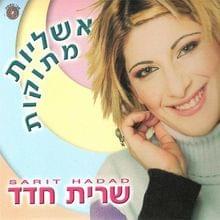
 View Artist