Song Meaning
The lyrics paint a picture of intense, almost violent desire, where the narrator feels physically assaulted by abstract concepts. "Me está quemando el hielo" (The ice is burning me) and "Me está mordiendo Dios" (God is biting me) immediately establish a surreal, agonizing state. This isn't just heartache; it's a visceral, almost cosmic torment, amplified by the bizarre image of "violando las hormigas" (ants violating me). The narrator's world is turned upside down, where natural elements inflict pain and divine forces are hostile.
The central tension lies in the narrator's desperate, all-consuming pursuit of love, which is framed as a creative and destructive force. The phrase "Me estoy volviendo loco por tu amor" (I'm going crazy for your love) is the refrain that anchors this chaos. This love is so potent it causes physical suffering, described as "sangrando" (bleeding) and "pariendo música y dolor" (giving birth to music and pain). The act of creation, usually associated with joy, is here inextricably linked to agony, suggesting that this love is both the source of his art and his suffering.
The lyrics employ a powerful use of hyperbole and paradoxical imagery to convey the overwhelming nature of this obsession. The narrator vows to "Congelaré el infierno" (I will freeze hell) and "Cancelaré el invierno" (I will cancel winter) for this love, showcasing an impossible, god-like ambition driven by sheer desperation. The contrast between the extreme measures proposed and the simple desire for reciprocation – "Que se resisten a ser míos" (That resist being mine) – highlights the painful unreachability of the beloved. This love is not just a feeling; it's a force compelling the narrator to defy natural laws and endure immense pain.
Ultimately, the effectiveness of these lyrics stems from their unflinching portrayal of love as a destructive, maddening force. The narrator isn't just heartbroken; he's being remade by this passion, experiencing it as a profound physical and psychological ordeal. The repetition of "loco" and the visceral descriptions of pain and creation make the narrator's state feel palpable, transforming abstract longing into a raw, almost unbearable experience that resonates with the intensity of extreme infatuation.
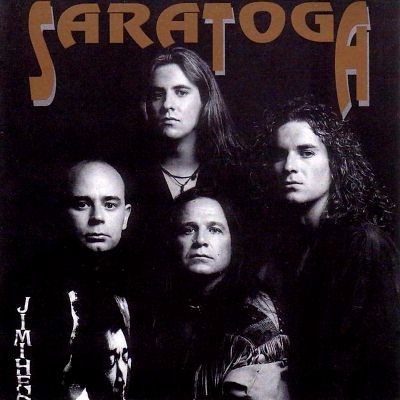
 View Artist