Song Meaning
The lyrics paint a grim, cyclical narrative of a curse tied to a bloody sword. The opening lines immediately establish a sense of cosmic despair, with "lost time" speaking to the ear and "loneliness" as the "anguish of a god." This isn't just personal pain; it's framed as a divine affliction, a "cruel trap" of death embodied by a "sword that carries its curse." The imagery is stark and fatalistic, suggesting that the wounds inflicted by this curse are beyond healing, and any man who wields the sword is destined to fall, with no thought of survival.
The core of the song seems to revolve around a relentless, destructive force driven by "blood and passion" and a desperate search for a reason to cease feeling. The sword itself is personified as being "forged to pain," a tool of suffering that perpetuates a cycle of violence. This pursuit of oblivion is not passive; the narrator appears to be in a constant state of struggle, choosing "not to sleep to fight." The recurring motif of "vultures soaring" and "burning sky" further amplifies the sense of impending doom and a "bad ending."
The most striking element is the mythic retelling of a god who, in his rage, killed his own son with the sword, only to have his cry heard "in darkness." This act of vengeance, described as "quenching with blood," ultimately leads to the god's own demise, becoming a legend of "the death of a god." However, the curse is not broken; when "a man took his sword," the story "never ended," and "the curse resurfaced." This highlights the inescapable nature of the cycle, where the weapon itself becomes the vessel of an eternal affliction, passed from one doomed wielder to the next.
What makes these lyrics so potent is their unflinching portrayal of a self-perpetuating tragedy. The language is direct and heavy, using words like "anguish," "cruel," "fall," "aniquitó" (annihilated), and "maldición" (curse) to create an atmosphere of inescapable doom. The narrative structure, moving from a general sense of divine suffering to a specific, devastating act and then to the continuation of the curse, emphasizes how this pain is not only ancient but also perpetually renewed, making the listener feel the weight of this unending cycle.
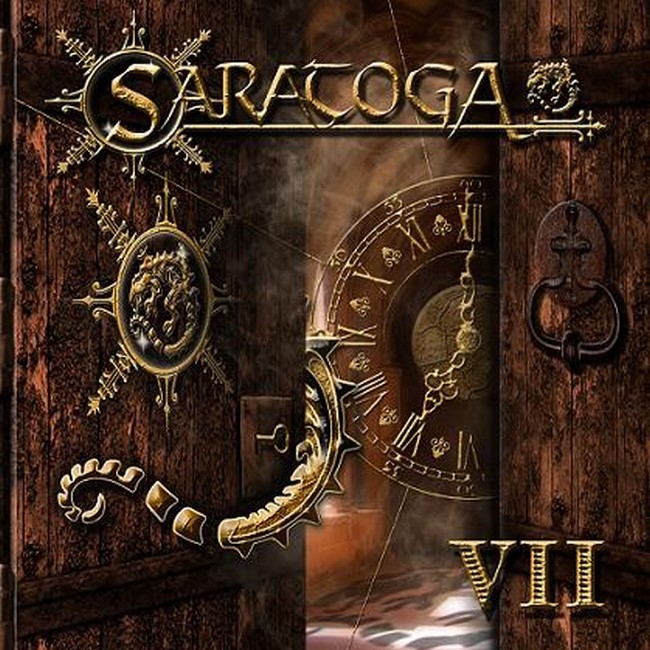
 View Artist