Song Meaning
These lyrics paint a stark picture of suffering, focusing on children who endure unimaginable hardship. They are described as living nightmares, chewing despair, and carrying burning embers in their bellies and steel in their hearts. This intense imagery suggests a profound, visceral pain, a life abandoned by civilization and condemned without ever knowing basic comfort, like a bottle. The phrase "sin conocer el biberón" (without knowing the bottle) is a particularly poignant detail, highlighting their deprivation from the very start of life.
The central tension arises from the contrast between the narrator's past suffering and a redemptive moment, mirrored in the plight of these children. The narrator states, "Yo siempre he dormido / En lechos de ortigas" (I always slept / On beds of nettles), a powerful metaphor for a life of constant pain and misunderstanding. This personal struggle finds a parallel in the children who "siempre duermen en cunas de ortigas" (always sleep in cradles of nettles), trapped by oblivion and marginalization. The lyrics suggest that both the narrator and these children are victims of a harsh reality.
The turning point in both narratives is the transformative power of love, encapsulated by the simple phrase "un 'Te Quiero'" (an 'I Love You'). For the narrator, this utterance healed their wounds, bringing sunlight into their winter. Similarly, for the children, this love "rompe sus semillas" (breaks their seeds), implying the potential for new growth and escape from their cycle of suffering. The recurring image of the sun shining in their winter offers a powerful, hopeful resolution, suggesting that even in the bleakest circumstances, connection can bring warmth and renewal.
The effectiveness of these lyrics lies in their raw, unflinching portrayal of pain juxtaposed with the profound simplicity of its cure. The repeated call to "Mira los ojos de niños / Que arañan tu televisión" (Look at the eyes of children / Scratching your television) is a direct, almost accusatory plea to the listener, forcing them to confront this suffering. By grounding the abstract concept of despair in concrete, visceral images like "brasas en sus vientres" (embers in their bellies) and the metaphor of nettle beds, the song creates an emotional resonance that is both disturbing and deeply moving.
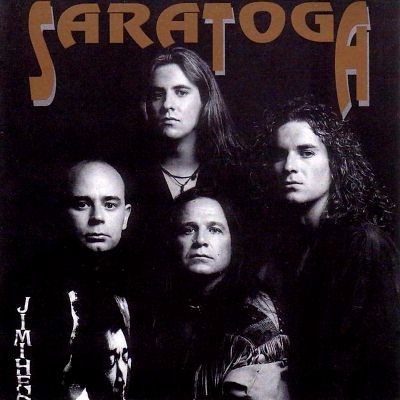
 View Artist