Song Meaning
Sarah Slean's "The Day We Saved the World" isn't a boast, but a rallying cry disguised as a memory. The song meaning circles around collective awakening and the potential for humanity to course-correct in the face of existential threat. Slean paints a picture of a world teetering on the brink ("This place was in horrible shape / And no one wanted to see"), a state of societal apathy that requires a rude awakening. It's not just about recognizing the problem, but actively choosing hope. The rising of hope "to shake us all from our sleep" is the catalyst for change. The repeated chorus, "Get up get up there's time there's time / Get up get up and fight and fight / Get up get up and see the light," functions as both an urgent call to action and an anthem of empowerment. There's a sense of immediacy, acknowledging that the window for intervention is shrinking, but not yet closed. The idea of being spurred to action by song, to "wake up singing", suggests the power of art and collective emotion in driving social change.
The lyrics analysis also delves into the duality of human nature. The bridge contains the line, "When blind, what a beast is mankind / But what a god when he sees." This powerful juxtaposition highlights the capacity for both destructive ignorance and enlightened action. When humanity is "blind," it is capable of immense damage, but when it "sees" – when it gains awareness and understanding – it has the potential to be a force for good, even a godlike agent of positive change. The imagery of "waters rising again" and "fields of green" implies a cyclical pattern, suggesting that these emergencies are not isolated events, but recurring challenges that humanity must repeatedly confront. The windmills turning evoke a sense of renewable energy and sustainable solutions, hinting at practical steps that can be taken to avert disaster.
Ultimately, "The Day We Saved the World" is a song about recognizing our collective power and responsibility. It's not about a singular, heroic act, but a continuous process of waking up, fighting, and seeing the light. The song's message is less about a specific environmental or political crisis, and more about the ongoing need for vigilance, hope, and collective action in a world constantly facing new challenges. Sarah Slean frames the narrative as a potential memory, a future achievement that is within our reach if we choose to embrace our better nature and work together.
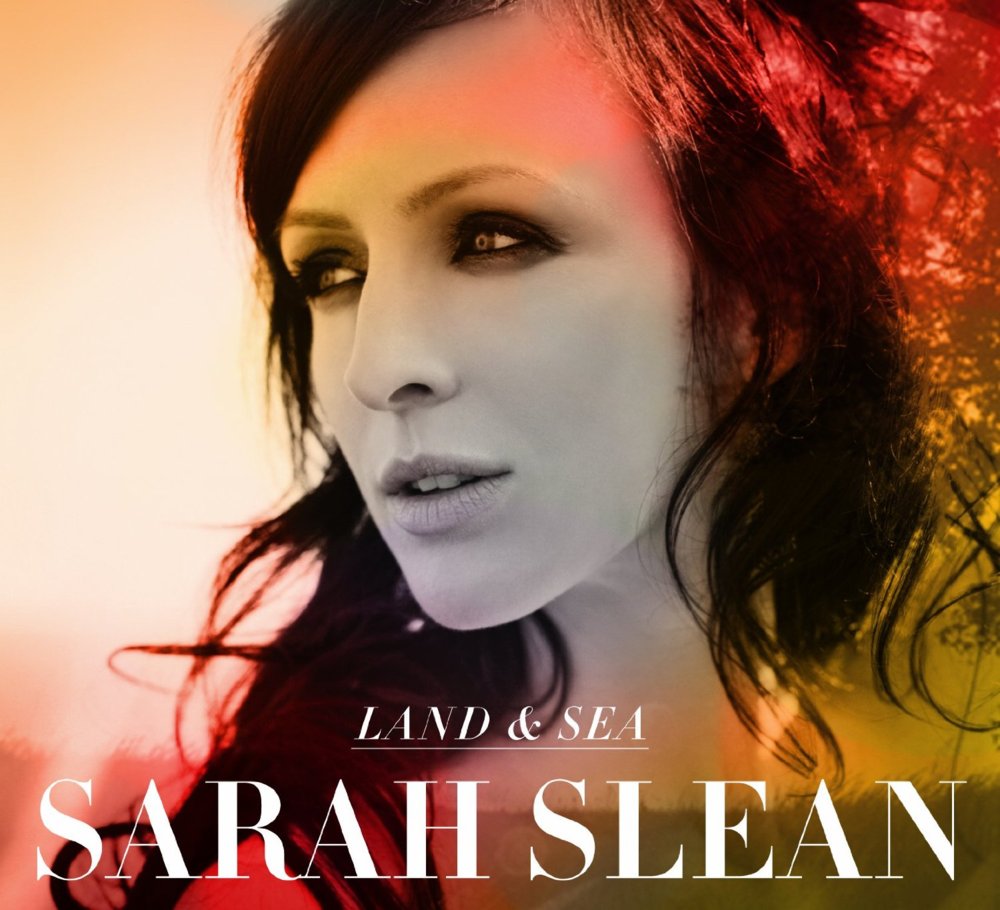
 View Artist