Song Meaning
The lyrics paint a picture of a strained, perhaps codependent, relationship where one person is dismissive of the other's distress. The opening lines, "You're such a baby / It's just a nosebleed," immediately establish a tone of condescension, framing genuine upset as an overreaction. The narrator pushes the other person away, telling them to "go and cry," only to later express frustration with being called, suggesting a cycle of rejection and unwanted attention. This dynamic creates an immediate emotional tension between the desire for space and the persistent, perhaps intrusive, connection.
The core conflict seems to stem from a fundamental misunderstanding or deliberate misrepresentation of communication. The narrator denies saying things, accusing the other of twisting words: "You make it up / Twist my words around." This suggests a breakdown in clear communication, where one party feels their intentions are constantly being distorted. The repeated phrase "Wake me up / Just to call me / Sleeping beauty" highlights a feeling of being bothered or interrupted, yet also implies a strange, almost fairy-tale-like expectation from the other person, which the narrator seems to resent.
The most striking craft element is the juxtaposition of dismissiveness with the eventual admission of vulnerability. After pushing the other person away and denying their reality, the narrator declares, "I got my hands up / I'm feeling vulnerable." This sudden shift is powerful, suggesting that the very act of being confronted or having their words twisted forces a reluctant exposure. The narrator's frustration with the other's "theories" about their complexity, and the observation that the other person is "so vague," points to a dynamic where the narrator feels misunderstood and perhaps even exploited for their perceived complexity, while the other remains an enigma whose vagueness is paradoxically alluring.
Ultimately, the effectiveness of these lyrics lies in their raw portrayal of emotional exhaustion and defensive vulnerability. The narrator's passive-aggressive "Oh, fine / That's fine" coupled with the raised hands signifies a weary surrender to the situation, a moment where the defenses are down not out of choice, but out of sheer depletion. The lyrics capture that uncomfortable space where frustration meets an unwilling admission of being affected, making the listener feel the weight of this complex, draining interaction.
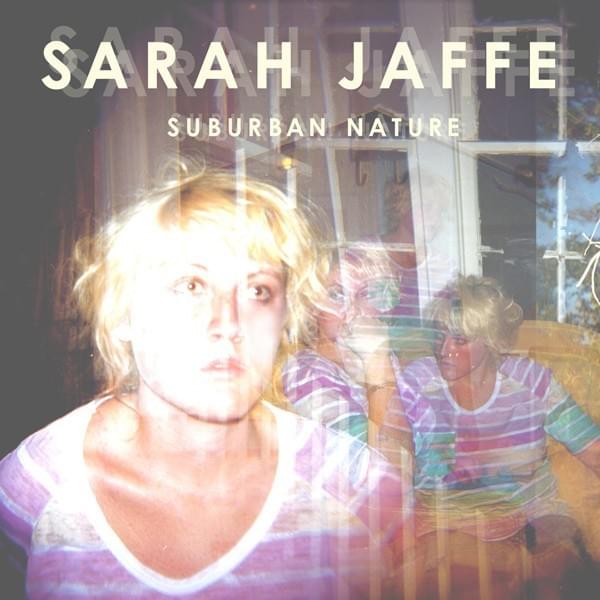
 View Artist