Song Meaning
The lyrics paint a stark, almost devotional portrait of surrender to a desolate, wintry landscape. The narrator offers their entire existence, their days, and even their tears to this "Vinterland." It’s a place that transforms sorrow into something tangible, like ice or snowballs for children, suggesting a desire for catharsis or perhaps a morbid acceptance of hardship. The repeated offering of "mitt liv" (my life) underscores a profound, almost religious commitment to this environment.
The central tension lies in the narrator's simultaneous desire for freedom and their willing subjugation. They wish to be "fri i mina dagar / Dom dagar jag har kvar" (free in my days / Those days I have left), yet they also seek refuge under the "skyddande hand" (protective hand) of Vinterland. This duality suggests a yearning for liberation that can only be found within the confines of their chosen isolation, a paradox where freedom is experienced through complete surrender.
The imagery of the "höga vinterträd" (tall winter trees) serves as a powerful point of contrast. Looking up at them, the narrator observes, "Se så liten människan är" (See how small a person is). This moment of existential humility is a key craft element, highlighting the vastness of nature against human frailty. The desire to be an "oskrift blad över en sjö" (unwritten leaf over a lake) further emphasizes a wish for purity and a blank slate, a state of being unburdened by past experiences or future anxieties.
Ultimately, the lyrics resonate through their raw, unvarnished depiction of finding peace in surrender and insignificance. The stark natural imagery and the narrator's quiet, unwavering devotion create a powerful sense of catharsis. It’s not about overcoming the cold, but about becoming one with it, finding a strange solace in the vast, indifferent beauty of winter.
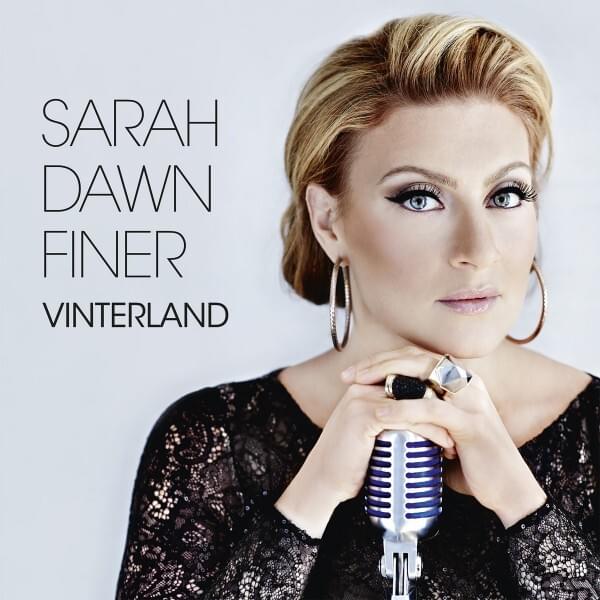
 View Artist