Song Meaning
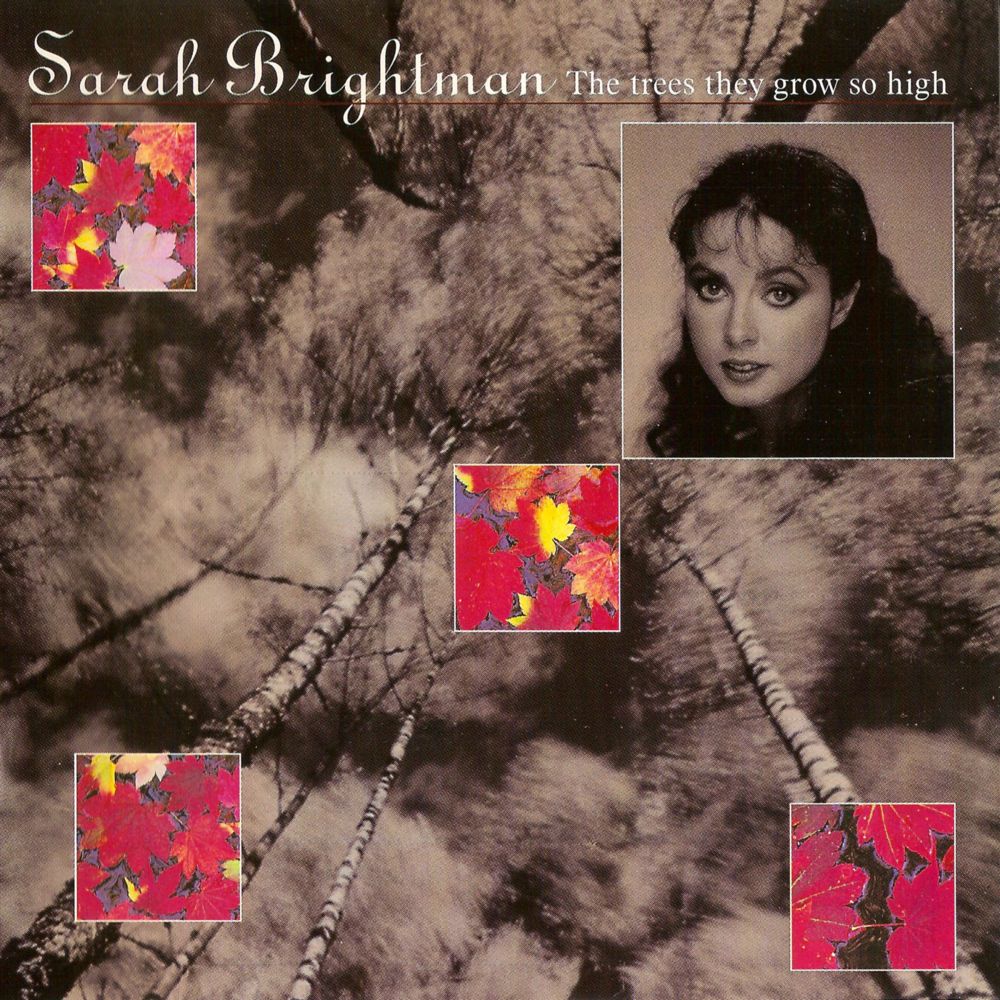
Sarah Brightman's rendition of "The Last Rose of Summer" isn't just a pretty melody; it's a stark meditation on mortality and the ache of loneliness. The lyrics, steeped in Victorian sentimentality, use the image of a solitary rose as a metaphor for aging, isolation, and the inevitable loss of loved ones. The opening lines paint a poignant picture: the last bloom, utterly alone after all its companions have withered. This isn't just about flowers; it's about the fear of outliving your peers, of being the last one standing as time relentlessly marches on.
The second verse takes a melancholic turn as the speaker decides to pluck the rose, ending its lonely existence. It's a gesture of mercy, a recognition that to live on in utter isolation is a kind of torment. The act of scattering the petals over the "bed" where the other roses lie is a symbolic burial, a gentle acceptance of death's inevitability. There's a profound sadness here, a quiet acknowledgement that all things must pass and that clinging to life beyond its natural course can be a burden.
But the final verse is where the song truly cuts deep. The speaker directly connects the rose's fate to their own, contemplating a future where friendships have crumbled and love has faded. The image of "gems" dropping away from love's circle is particularly evocative, suggesting a loss of brilliance and joy. The concluding question – "Oh, who would inhabit this bleak world alone?" – is a haunting expression of existential dread, a fear of facing the world without the warmth and support of human connection. Brightman's ethereal vocals only amplify the song's inherent sorrow, transforming a simple floral metaphor into a powerful statement about the human condition.
 View Artist