Song Meaning
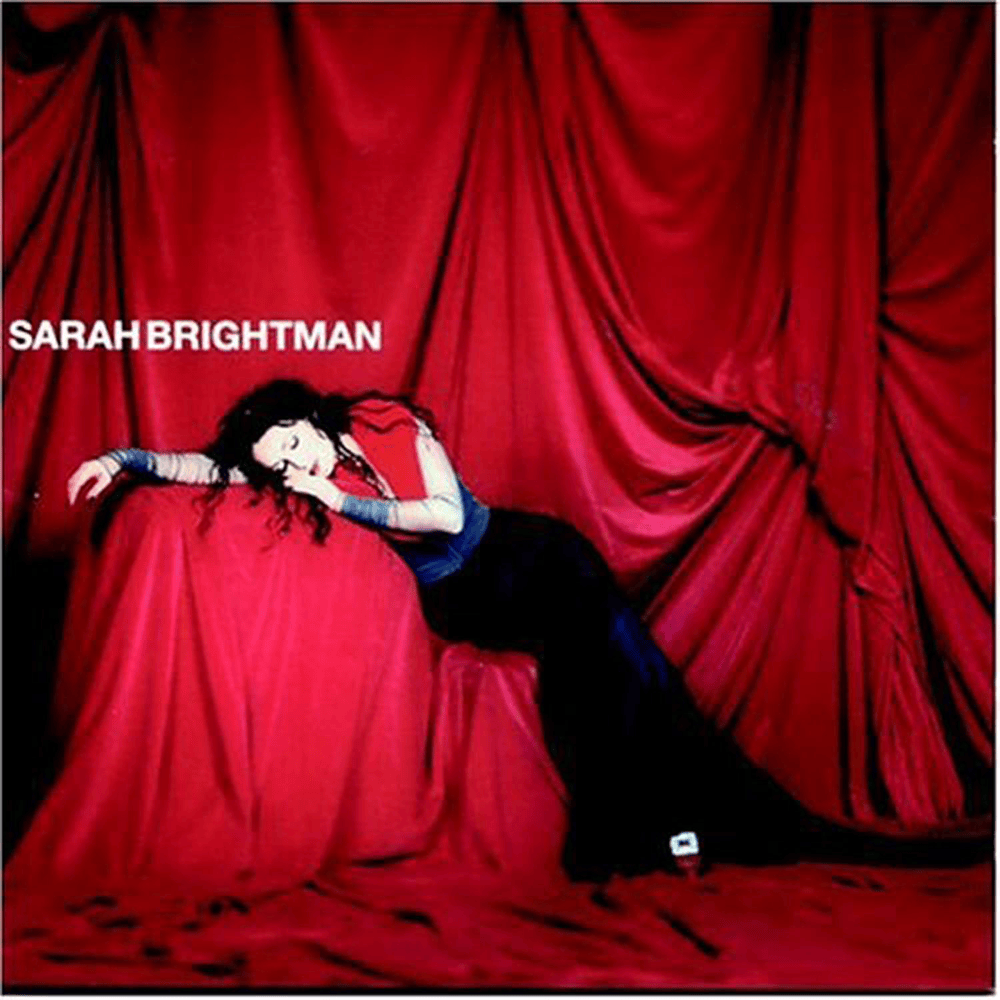
Sarah Brightman's rendition of "Lascia ch'io pianga" isn't just a vocal performance; it's a visceral expression of longing. The aria, originally from Handel's opera *Rinaldo*, transcends its operatic origins to become a universal lament. The repeated plea, "Lascia ch'io pianga la cruda sorte / E che sospir' la libertà" (Let me weep my cruel fate, and sigh for liberty), speaks to a core human desire for freedom from suffering. Brightman's interpretation, stripped of elaborate staging, allows the raw emotion of the words to take center stage. The song meaning, therefore, hinges on this very nakedness. It's not simply about historical oppression, but about the personal battles we all face.
The psychological weight of "Lascia ch'io pianga" lies in its simplicity. The lyrics offer no grand narrative, no specific details of the "cruel fate" or the lost liberty. This absence is precisely what makes it so resonant. Listeners are invited to project their own experiences of loss and longing onto the song. Brightman's soaring vocals, combined with the inherent drama of the melody, create a space for catharsis. The act of weeping, of being allowed to weep, becomes an act of defiance against the forces that seek to suppress the spirit.
Ultimately, Sarah Brightman's delivery of "Lascia ch'io pianga" serves as a reminder of the power of vulnerability. It acknowledges the pain inherent in the human condition while simultaneously offering a glimmer of hope. The beauty of the music, coupled with the emotional honesty of the lyrics, suggests that even in the depths of despair, the yearning for freedom—both internal and external—remains a potent force. The song's enduring appeal lies in its capacity to tap into this fundamental human experience, offering solace and a sense of shared suffering.
 View Artist