Song Meaning
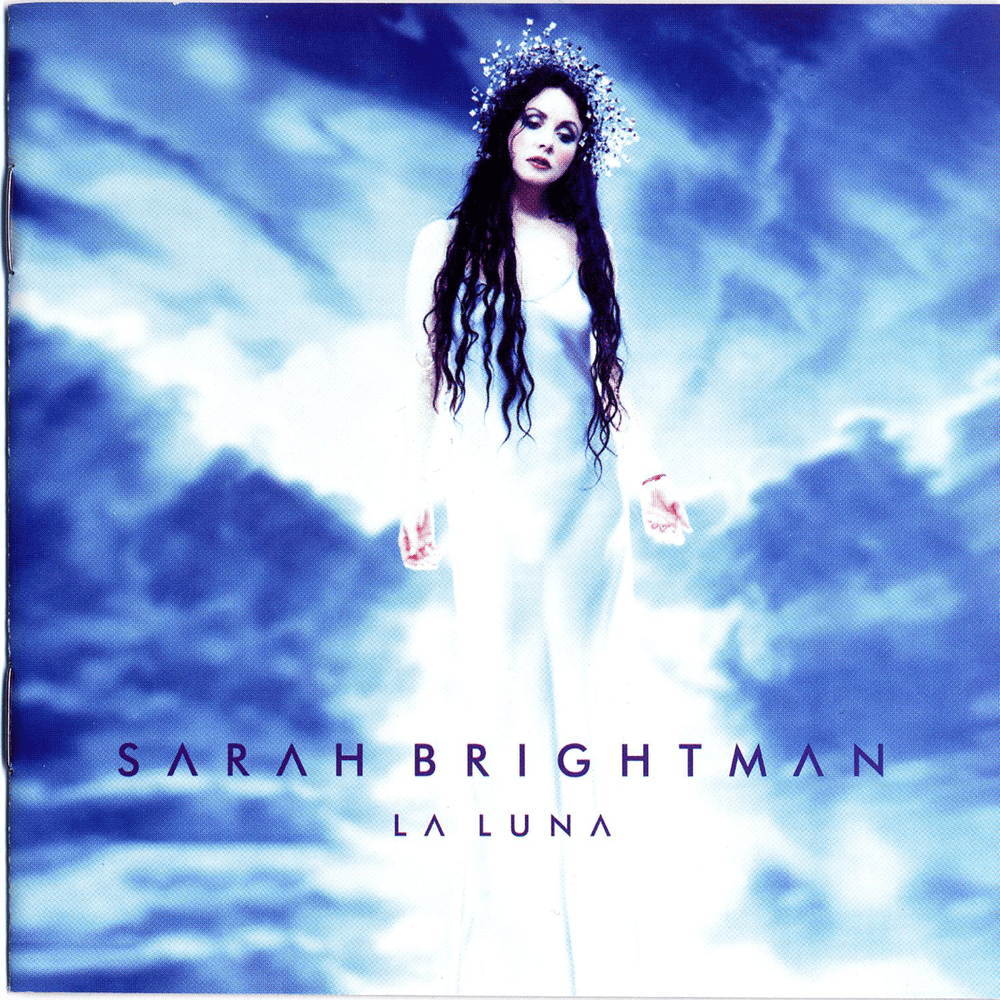
Sarah Brightman's "La lune" isn't just a song; it's a hushed communion with the celestial. The lyrics, simple yet evocative, paint a picture of a solitary journey towards a moonlit clearing, a space where the earthly and the ethereal blur. The moon, personified and revered, becomes more than a satellite; it's a confidante, a timeless presence draped in the "voiles de l'éternité." The song's meaning resides in this yearning for connection with something larger than oneself, a desire to find solace and understanding in the silent, silvery glow of the lunar sphere. It speaks to the human need to project our hopes and dreams onto the vast canvas of the night sky.
Brightman's choice of language elevates the song's symbolism. The phrase "éclat argenté" (silver glow) isn't merely descriptive; it evokes a sense of preciousness and purity. The moon's "auréole" (halo) suggests a divine quality, transforming the celestial body into an object of worship. This isn't a casual observation of the night sky; it's a deliberate act of reverence, a recognition of the moon's enduring power to inspire awe and wonder. The repetition of "La lune" reinforces this intimate connection, as if the singer is whispering a secret mantra to the celestial orb.
Ultimately, the song's beauty lies in its ambiguity. It's a blank canvas onto which listeners can project their own interpretations of longing, spirituality, and the search for meaning. Is the moon a symbol of unattainable dreams? A reflection of inner peace? Or simply a reminder of the vastness and mystery of the universe? Brightman doesn't offer easy answers, instead inviting us to lose ourselves in the song's ethereal soundscape and find our own personal resonance within its lunar glow. The lyrics analysis reveals a timeless exploration of human connection to the cosmos, a theme that continues to resonate across cultures and generations.
 View Artist