Song Meaning
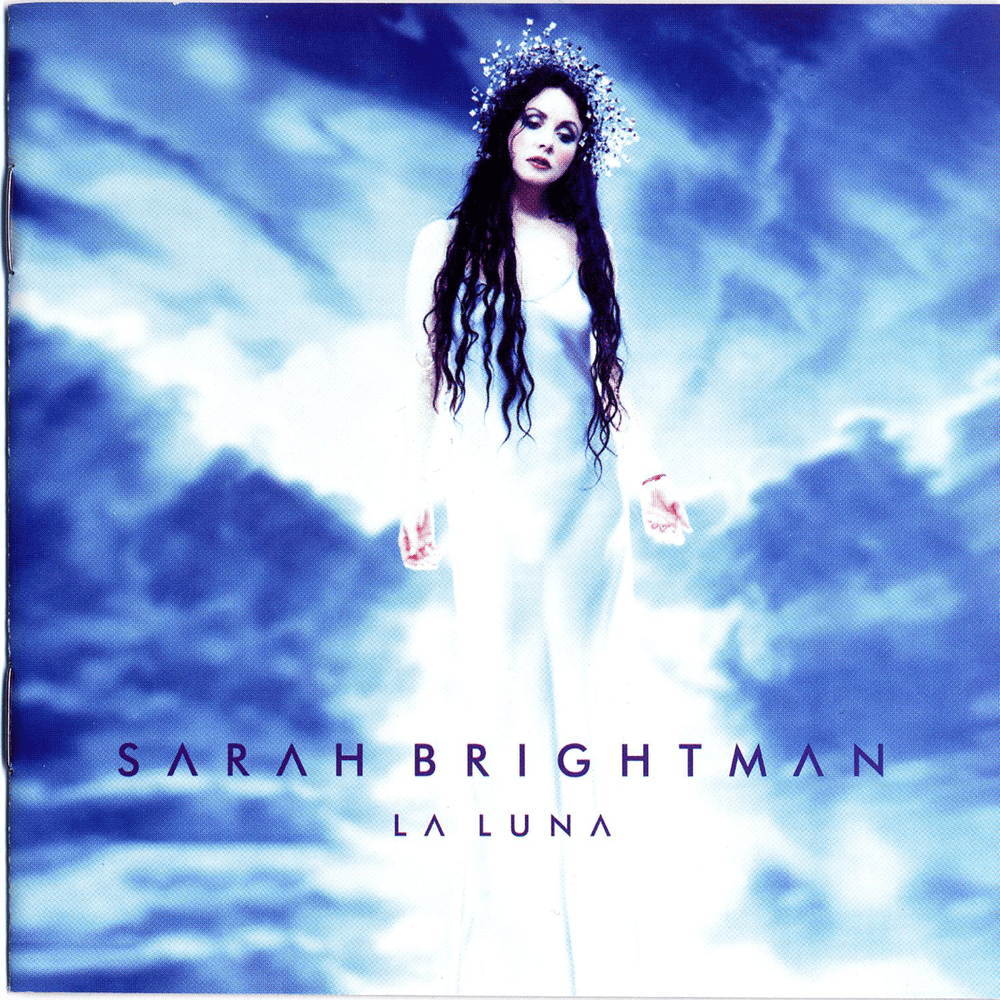
Sarah Brightman's "La Luna" isn't merely a song; it's a sonic sanctuary, a lullaby for the soul swathed in celestial imagery. Sung in Italian, the lyrics paint a picture of nightfall's descent, a moment of quietude where darkness exhales and the moon ascends as a benevolent guardian. The recurring phrase, "La luna della notte / Dolcemente ci proteggerà" (The moon of the night/ Sweetly protects us), acts as a mantra, a comforting reassurance against the unknown fears that lurk in the shadows. Brightman’s ethereal soprano only amplifies this sense of otherworldly protection, cradling the listener in a cocoon of sound. The song meaning resides in this promise of nocturnal safeguarding, a gentle reminder that even in the deepest darkness, a source of light and comfort remains.
The lyrics evoke a sense of childlike wonder and trust, a yearning for a watchful presence. The moon, personified as a gentle queen ("Su tutto'l cielo lei regna" - Upon all the sky she reigns), illuminates the evening with kindness, offering not just light, but also a feeling of safety. This speaks to a fundamental human need for security, a primal desire to be shielded from harm. The silver light mentioned in the lyrics isn't just a visual detail; it's symbolic of purity and grace, further emphasizing the moon's role as a benevolent force. The song taps into our collective unconscious, resonating with the archetypal image of the moon goddess as a protector and nurturer.
However, the final lines introduce a subtle but potent shift: "Luna non veglierà / Fuggir / Luna scomparirà" (Moon will not watch over/ Flee/ Moon will disappear). This sudden departure from the initial promise of protection injects a note of vulnerability and perhaps even existential dread. It suggests that even the most steadfast sources of comfort can be fleeting, that the light we rely on may eventually fade. This ending elevates "La Luna" beyond a simple lullaby, transforming it into a poignant reflection on the impermanence of security and the inevitable confrontation with darkness, both literal and metaphorical. The song leaves us contemplating not only the beauty and solace of the moon, but also the unsettling possibility of its absence.
 View Artist