Song Meaning
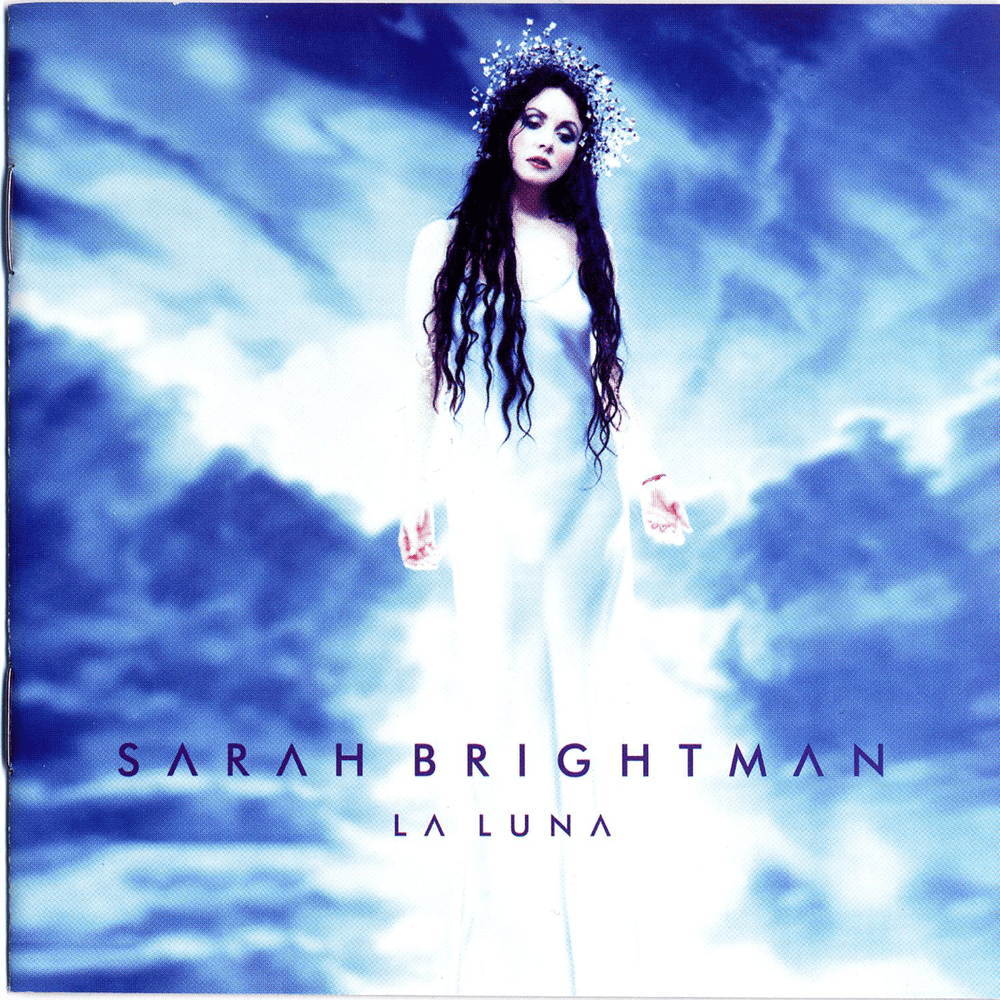
Sarah Brightman's rendition of "Gloomy Sunday" doesn't just flirt with despair; it's a full-blown, operatic suicide note set to music. The song, infamous for its supposed connection to actual suicides, functions as a stark exploration of grief and the seductive pull of oblivion. Brightman's ethereal vocals, ironically, amplify the darkness, creating a chilling intimacy with the listener. The lyrics paint a portrait of utter desolation: "Sunday is gloomy, my hours are slumberless / Dearest, the shadows I live with are numberless." This isn't just sadness; it's a pervasive, suffocating darkness that has consumed the narrator's entire existence. The mention of "little white flowers" that will "never awaken you" leaves little doubt about the permanent nature of this loss. The singer even questions whether angels would be angry if she joined her lost loved one in death, which underscores the depth of her longing.
The recurring refrain, "Gloomy Sunday," acts as a mournful anchor, a constant reminder of the inescapable despair that defines the narrator's reality. The second verse is even more explicit in its suicidal ideation: "My heart and I have decided to end it all." The narrator seeks solace in death, envisioning it as a reunion with the lost beloved. However, the bridge introduces a jarring twist: "Dreaming, I was only dreaming / I wake, and I find you asleep in the deep of my heart, dear." This suggests that the entire suicidal fantasy might be a nightmare, a manifestation of the narrator's intense grief and longing.
Despite the temporary reprieve offered by the dream sequence, the final verse reveals that the narrator remains haunted by the possibility of this dark vision becoming reality. The hope that the dream "never haunted you" is laced with the fear that it might. Ultimately, Sarah Brightman's "Gloomy Sunday" is a powerful and disturbing exploration of the depths of human despair. It's a song that confronts the listener with the seductive allure of death and the enduring power of grief, leaving a lingering sense of unease long after the music fades. The song meaning, therefore, is not simply about sadness, but about the psychological struggle with loss, the contemplation of suicide, and the thin line between reality and despair fueled by profound grief.
 View Artist