Song Meaning
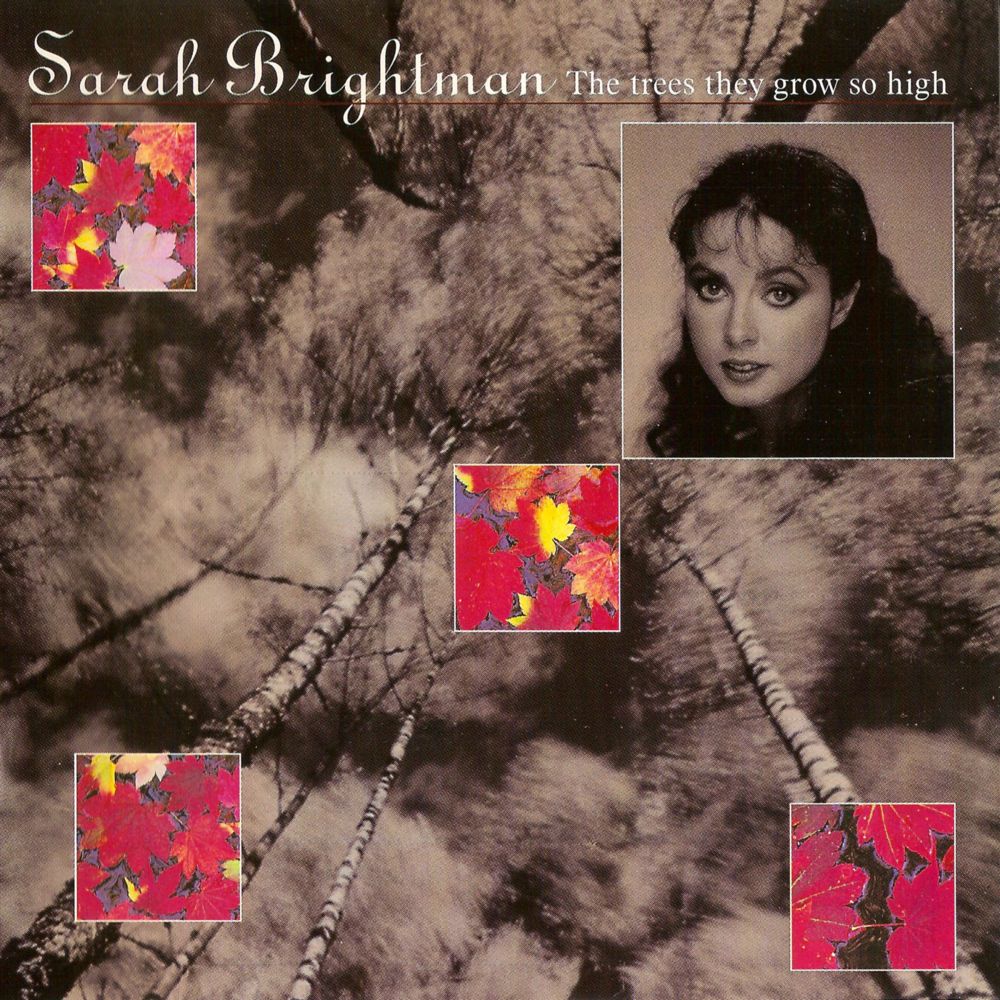
Sarah Brightman's rendition of "Early One Morning" isn't merely a song; it's a miniature operatic drama distilled into a folk lament. The lyrics paint a stark picture of betrayal and abandonment, a timeless tale of a young woman scorned. The simplicity of the language belies the profound emotional depth, focusing on the raw, exposed nerve of heartbreak. The rising sun, usually a symbol of hope, serves as a cruel counterpoint to the maiden's despair, highlighting the disparity between the world's indifferent beauty and her personal tragedy. It's a scene painted with the barest of strokes, relying on the listener's empathy to fill in the details of the story.
The garland and roses, meant to adorn her lover, become emblems of lost innocence and shattered promises. The repeated plea, "O don't deceive me / O do not leave me!," is not just a request but a desperate attempt to cling to a reality that is already crumbling. The song's power lies in its universality; the fear of abandonment and the pain of betrayal are experiences that transcend time and culture. Brightman's delivery, known for its crystalline clarity, only amplifies the vulnerability inherent in the lyrics.
Ultimately, "Early One Morning," as performed by Sarah Brightman, is a study in emotional exposure. The "poor maiden" isn't just a character in a song; she's a representation of anyone who has ever felt the sting of unrequited love or the devastation of broken vows. The song's meaning resides not just in the narrative but in the aching, unanswered question that echoes long after the final note: "How could you use a poor maiden so?" It’s a question that resonates because it speaks to the fundamental human need for connection and the devastating consequences when that connection is severed.
 View Artist