Song Meaning
The lyrics paint a picture of a relationship defined by fundamental differences, a chasm that feels almost insurmountable. The opening lines, "Words enter space / Into unfair terrain," immediately establish a sense of struggle, suggesting communication itself is a battlefield. The narrator feels their words are lost or misinterpreted, leaving them to question how to overcome this inherent distance: "Oh how can we / Bridge this divide?" It’s a raw, immediate expression of relational friction.
The core of the conflict lies in the stark contrast between the two individuals, captured by the recurring refrain, "We're like night and day." This isn't just a casual observation; it's presented as a defining, almost fated characteristic. The narrator describes their partner as "cold" and their own actions as "too bold," highlighting a fundamental mismatch in temperament or approach. The narrator also feels they are constantly evolving ("Quicker than the tides"), while the partner remains static ("You'll never change / Always the same"). This creates a tension between personal growth and perceived stagnation within the relationship.
Despite the seemingly irreconcilable differences, there's a powerful undercurrent of attachment. The narrator admits, "But yours is a face / My mind won't erase," revealing a deep, persistent connection that transcends the conflict. This is further emphasized by the shift in the chorus's latter half, moving from "A bitter night / And a broken day" to "Such a lovely night / And a beautiful day." This evolution suggests an acceptance, perhaps even an appreciation, of their contrasting natures. The repeated question, "Oh, how could we grow old together?" underscores the narrator's yearning for a future that seems improbable yet deeply desired, hinting that their differences might be the very thing that makes their bond unique.
Ultimately, the lyrics resonate because they capture the complex reality of loving someone fundamentally different from yourself. The writing acknowledges the pain and frustration of these disparities but also finds beauty and a strange sort of destiny in them. The shift from "broken day" to "beautiful day" signifies a hard-won peace, an understanding that their "night and day" dynamic, though challenging, is an intrinsic part of their shared existence, perhaps even "born this way."
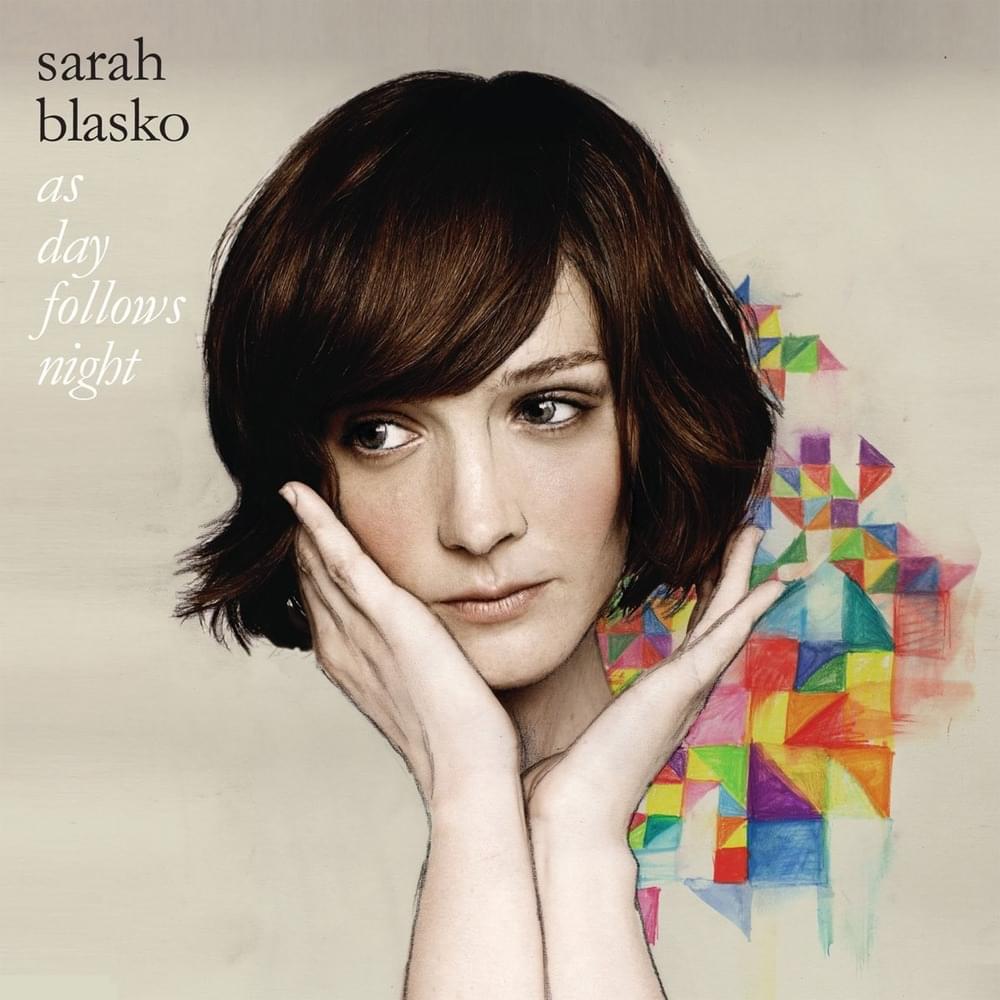
 View Artist