Song Meaning
The lyrics paint a stark, repetitive portrait of a singular emotional state. The repeated phrase "É mim que tá..." (It's me who is...) establishes a core identity tied to action and feeling. The narrator is not just experiencing these things; they are the very locus of the crying, the singing, the listening, and the searching. This creates an intense, almost claustrophobic focus on the self as the sole site of these emotional and physical acts.
The central tension seems to lie in the oscillation between sorrow and expression, between passive reception and active seeking. The narrator is simultaneously "chorar" (crying) and "cantar" (singing), suggesting a complex emotional landscape where pain and catharsis coexist. They are also the one who "bo ouvir" (listens well) and "procurar" (searches), indicating a desire for connection or understanding that is perhaps unfulfilled, as the focus always returns to "É mim" (It's me).
The most striking element is the sheer, unadorned repetition. This isn't just a stylistic choice; it mimics the feeling of being stuck in a loop, of an overwhelming emotion that consumes all other possibilities. The simple, declarative structure, "É mim que..." followed by a verb, hammers home the narrator's perceived isolation and the internal nature of their experience. There's no external world described, only the self performing these actions.
This lyrical construction is effective because it bypasses complex narrative for raw emotional truth. By stripping away context and focusing solely on the self as the subject of all actions and feelings, the lyrics create a powerful sense of internal monologue. The listener is drawn into this singular perspective, feeling the weight of the narrator's isolated experience of crying, singing, listening, and searching.
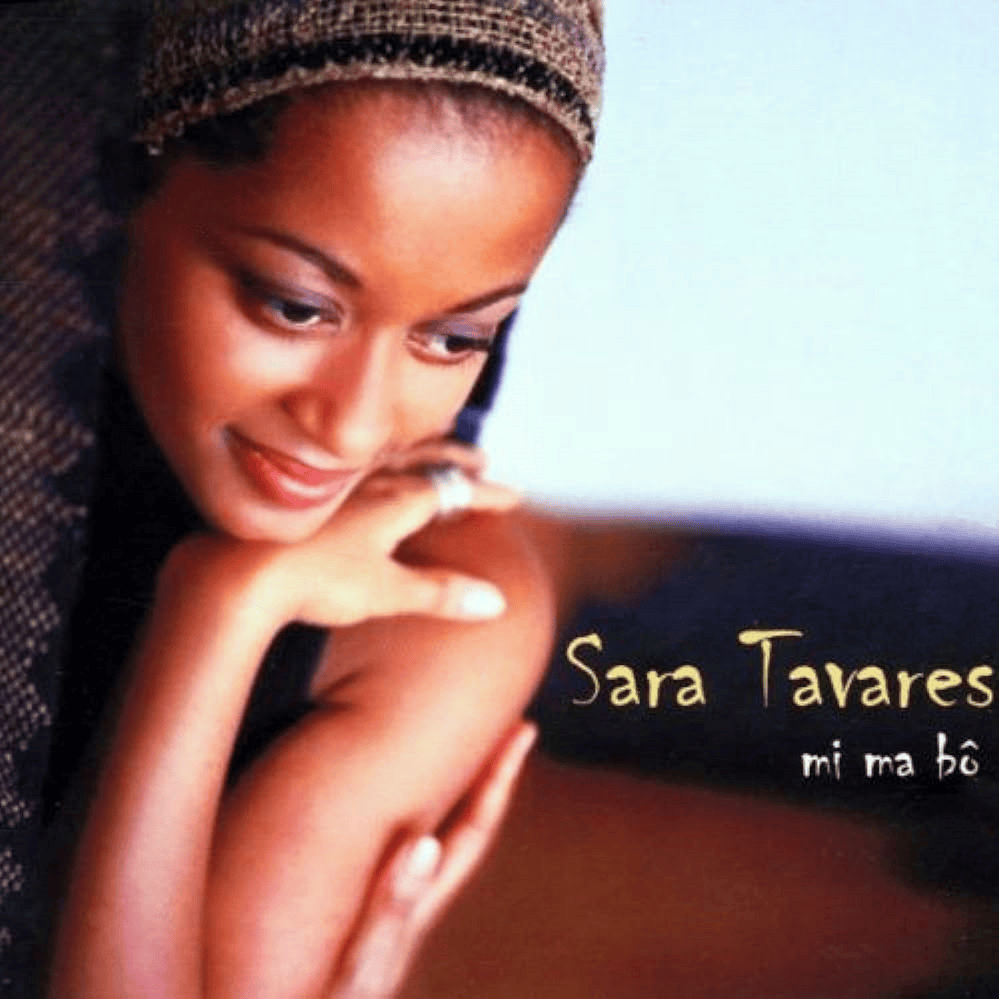
 View Artist