Song Meaning
The lyrics paint a vivid picture of an intense, almost fated encounter between a narrator and a charismatic bullfighter. The initial meeting on a Saint's day sets a dramatic stage, with the bullfighter arriving "Pidiendo guerra" – demanding battle – and the narrator immediately feeling a powerful "estremeci" – a shiver of recognition or awe. His descent from the carriage, "muy garboso," and the gesture of throwing down his cape, "con gesto altivo," establish him as a figure of proud, almost theatrical, confidence.
The core of the narrative tension lies in the narrator's profound emotional response to the bullfighter, which borders on obsession. The bullfighter's request, "Pisa morena / Pisa con garbo," is not just a command but a plea to imbue a piece of his cape with the narrator's presence. This transforms the cape fragment into a "relicario" – a sacred relic – highlighting the narrator's desire to possess a tangible piece of the bullfighter's essence, something to cherish and hold onto.
The lyrics masterfully use repetition and a shift in perspective to amplify the emotional impact. The bullfighter's repeated plea, "Que un relicario me voy hacer / Con el trocito de mi capote," underscores the narrator's deep yearning. The second encounter, where the bullfighter falls wounded, is particularly poignant. His delirious repetition of the same phrase, now directed towards the narrator even in his near-death state, suggests that the narrator's image has become intertwined with his own identity and his art, solidifying the narrator's status as the object of his devotion.
This narrative is effective because it captures a consuming infatuation through specific, evocative imagery and a clear emotional arc. The transformation of a simple cape fragment into a "relicario" speaks to the narrator's desperate need for connection and validation. The bullfighter's final, almost unconscious, invocation of the narrator's presence in his moment of crisis elevates the narrator from a mere observer to the central figure in the bullfighter's personal mythology, making the narrator's emotional investment feel profoundly reciprocated, even if only in a dreamlike state.
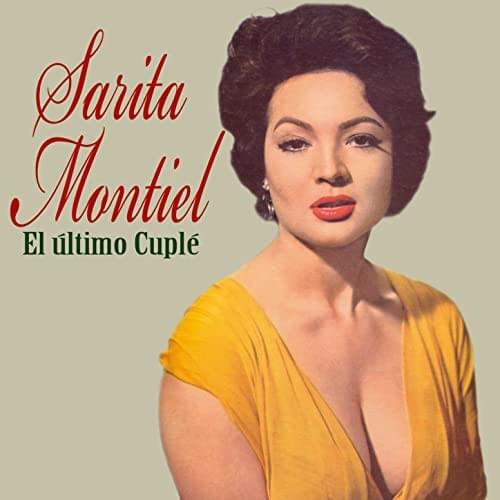
 View Artist