Song Meaning
The lyrics paint a stark picture of existence, beginning with a greeting that feels more like a resigned sigh: "Salve, salve." The opening lines immediately establish a tone of struggle, with "Segunda-feira suando sonhos" (Monday sweating dreams) suggesting a difficult start to the week, where aspirations are met with exertion and perhaps futility. This sets the stage for a world where individuals are reduced to "Somente símbolos" (only symbols), their true selves obscured or defined by external forces rather than inherent being. The narrator appears to question this state, asking "Sabendo, simplesmente somos" (Knowing, we simply are), hinting at a deeper, perhaps unacknowledged, reality beneath the surface.
The central tension emerges from the contrast between external appearances and internal realities, and the struggle for survival and selfhood. Phrases like "Sem sombra, sobramos / Sempre soluçamos" (Without shadow, we remain / Always we sob) evoke a sense of being diminished, lacking substance or presence, and constantly experiencing sorrow. This is juxtaposed with the societal condition described as "sociedade sofrendo só, sambamos" (society suffering alone, we dance), a poignant image of collective pain met with a performative, perhaps even defiant, act of moving forward. The lyrics suggest a cyclical pattern of hardship, where even acts of survival like "Subimos? Sim, sóis / Semelhante soberanos" (We rise? Yes, suns / Similar sovereigns) are questioned, and survival itself is depicted as "Sola suja sob solos sinistros" (Dirty sole under sinister soils).
The most striking aspect of the writing is its relentless use of alliteration, particularly with the letter 'S,' which creates a sonic texture that is both hypnotic and suffocating. This stylistic choice mirrors the lyrical content, where words like "símbolos," "sombra," "soluçamos," "sofrer," "sozinho," "suburbanos," "sinistros," and "sádicos" cascade together, reinforcing the themes of struggle, suffering, and a pervasive sense of sameness. The repetition of "Somente símbolos" and the questioning of "Sabendo, simplesmente somos" underscore a profound sense of identity crisis, where individuals are reduced to mere representations or are struggling to assert their fundamental existence.
Ultimately, these lyrics resonate because they articulate a feeling of being trapped in a system that diminishes individuality and amplifies hardship. The alliterative onslaught, while artistically impressive, creates an almost claustrophobic atmosphere that mirrors the narrator's perceived reality. The raw, unvarnished portrayal of suffering, coupled with the faint glimmer of questioning one's own being and the act of continuing to "dance" amidst it all, makes for a powerful, if somber, reflection on the human condition.
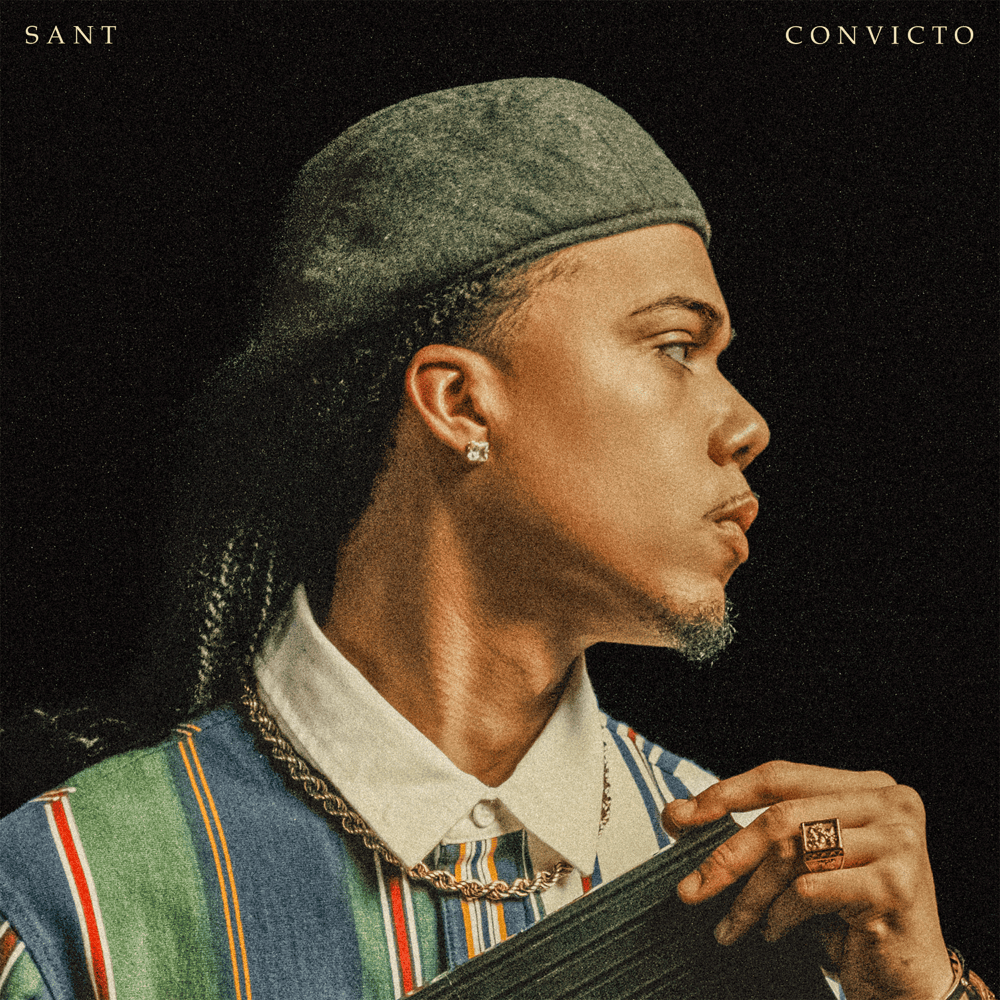
 View Artist