Song Meaning
The lyrics paint a picture of someone grappling with a profound sense of loss and an inability to embrace life with the same fervor as another person. The narrator feels stuck, unable to say a proper goodbye or understand the "masquerade" of existence, constantly looking back and questioning who is responsible for extinguishing their inner "fire." This feeling of being left behind is palpable, as the narrator observes someone else "celebrate your life" with a "one-way-ticket" to the sky, a stark contrast to their own stagnant state.
The central tension lies in the narrator's comparison to another individual who seems to effortlessly embrace life and ascend, symbolized by flying "up to the sky" with a "one-way-ticket." The narrator, however, admits, "Don't celebrate my life," feeling perpetually behind and unable to match this joyful trajectory. The repeated phrase "Look back look back" underscores this fixation on the past and a sense of regret or confusion about their current circumstances, contrasting sharply with the other person's forward momentum.
The lyrics employ the striking image of a "moviestar" to represent a grand, aspirational dream that feels distant and perhaps unattainable for the narrator. This dreamlike quality is juxtaposed with the harsh reality of their inability to "hold it down" or understand their "fate." The shift in the final stanza, where the narrator moves from "I can't try to hold it down" to "But I can try to understand it" and finally declares, "I celebrate it," signifies a potential turning point, a nascent acceptance of their singular life.
This shift makes the lyrics resonate because it captures the universal struggle of feeling inadequate or left behind while simultaneously offering a glimmer of hope. The raw honesty of the narrator's self-doubt and their eventual, tentative embrace of their own existence, even after observing another's seemingly effortless celebration, provides a powerful emotional arc. The simple, almost childlike "Nanana" before the final resolution adds a layer of vulnerability to this hard-won self-acceptance.
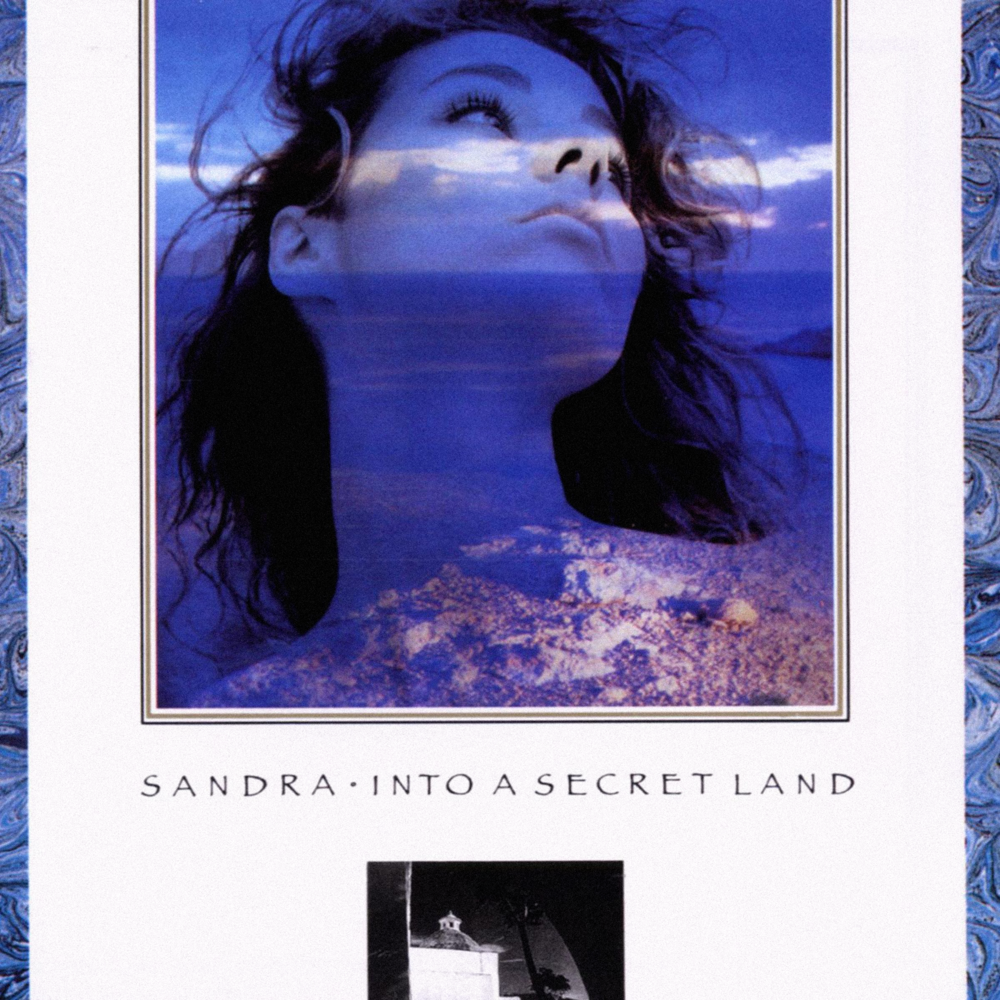
 View Artist