Song Meaning
The lyrics confront the harsh realities of the world – violence, injustice, betrayal, hunger, and brutality – acknowledging their lingering power to disturb the heart. Yet, a profound shift occurs, moving from potential emotional upheaval to an unshakable faith. This resilience is rooted in a core belief: "Pois eu sou e deus é." This declaration of shared existence with the divine is presented as the very source of all creation, a foundational truth that anchors the narrator.
The central tension arises from the contrast between external suffering and internal fortitude. While the narrator admits these worldly evils "Ainda podem perturbar meu coração," they "já não podem abalar a minha fé." The lyrics then pivot to a call for action, suggesting that while dreaming of a better world is natural, it's insufficient. The imperative "é preciso menos falar mais agir" highlights a desire to transcend passive hope and engage with the world's problems.
A striking element is the distinction drawn in the final verse between the human experience and a more eternal self. The narrator acknowledges that "impotência, o medo, a perda da razão" can still haunt "mim pessoa corpo, sensação, pensar" – the physical, thinking self. However, this is contrasted with "mim como ser / Que não tive começo e nunca terei fim." This concept of an unending, uncreated essence provides a powerful framework for understanding how the narrator can face earthly suffering without being consumed by it.
This lyrical construction is effective because it grounds abstract spiritual concepts in concrete human struggles. The repetition of "Eu não tive começo e nunca terei fim" acts as a mantra, reinforcing the idea of an eternal perspective that can withstand temporary afflictions. The simple, declarative "É" serves as a powerful affirmation, a constant return to the fundamental truth that underpins the narrator's strength.
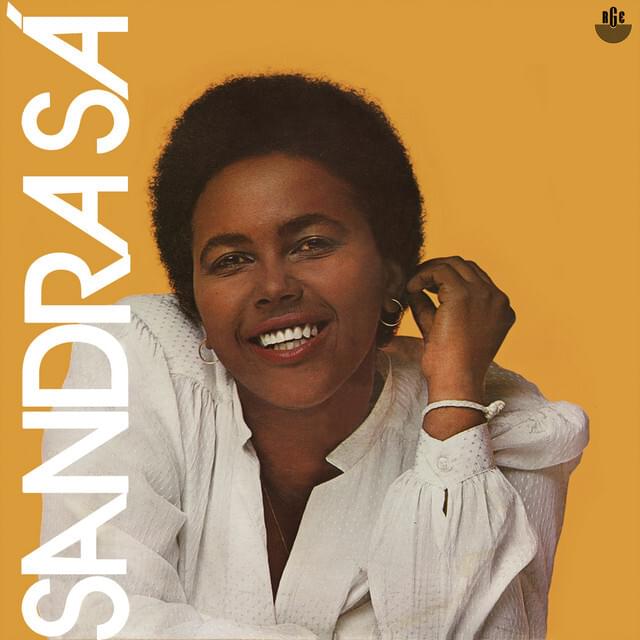
 View Artist