Song Meaning
The lyrics paint a stark picture of spiritual thirst and a desperate plea for guidance. The narrator longs for "puhdasta vettä" (clean water) and a "puhdasta satamaa" (clean harbor), suggesting a deep need for purity and refuge. Their "siel on rikki repaleinen" (soul is broken, tattered) and "tuulessa lepattaa" (flutters in the wind), emphasizing a profound sense of vulnerability and being adrift.
The core tension lies in the narrator's conflicted relationship with their creator. They directly address "luojani" (my creator), repeatedly asking "kuuletko mua" (do you hear me?). This plea is juxtaposed with past transgressions: "Käänsin sulle selkäni" (I turned my back on you) and "Kirosin sinun nimeäsi" (I cursed your name). Despite this, the creator's response was not abandonment but a "Hymyilit mulle vaan" (just smiled at me), a striking image of unconditional grace.
The repeated refrain, "Kuuletko luojani, kuuletko mua / Kanna mua siivilläs, kannata mua / En tahtoisi yksin mä taivaltaa" (Do you hear me, my creator, do you hear me / Carry me on your wings, support me / I wouldn't want to journey alone), acts as an anchor, reinforcing the narrator's desire for divine support and companionship. The imagery of being carried "siivilläs" (on wings) offers a powerful visual of protection and elevation, a stark contrast to the tattered soul fluttering in the wind.
This lyrical construction is effective because it grounds abstract spiritual longing in concrete, relatable images of thirst and brokenness. The direct, almost conversational address to the creator, coupled with the admission of past rejection and the subsequent unexpected grace, creates a raw and intimate portrayal of seeking redemption and connection. The persistent plea highlights a profound fear of isolation, making the desire for divine support feel urgent and deeply human.
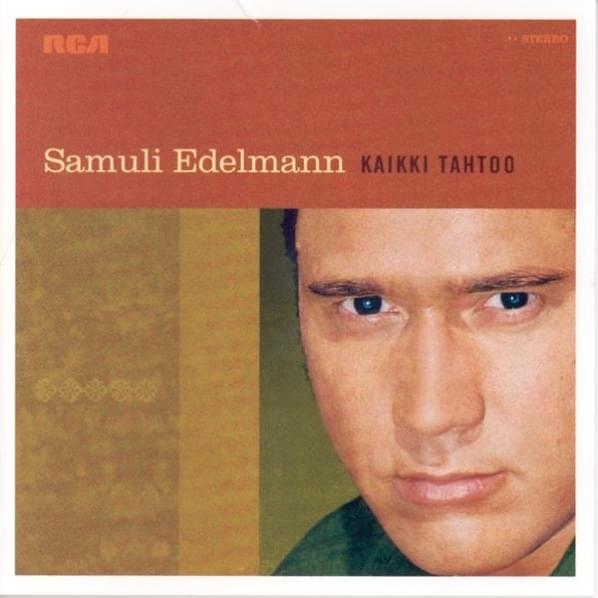
 View Artist