Song Meaning
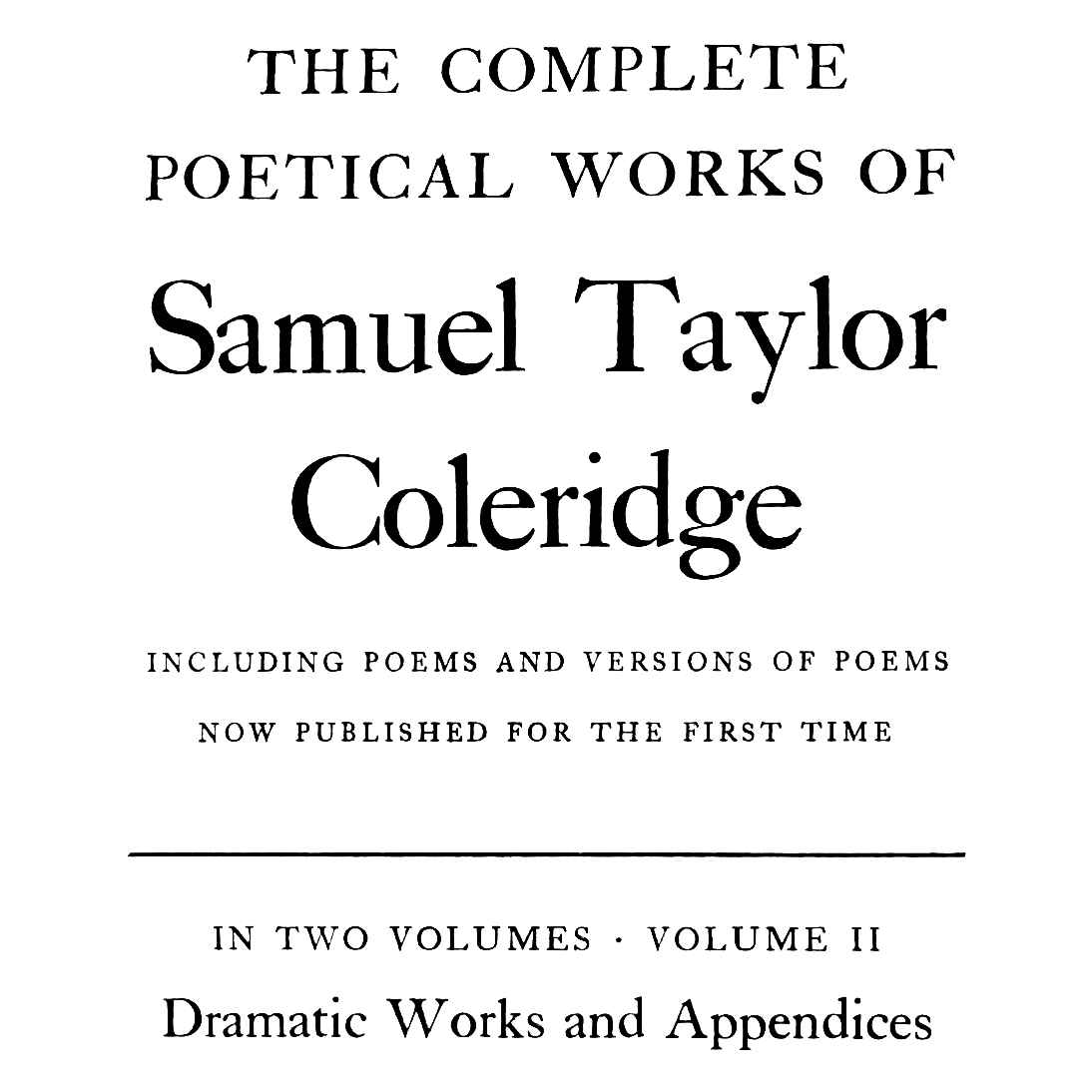
This brief verse sets up a fascinating contrast between the pursuit of artistic recognition and the often-unseen machinations of the publishing world. The narrator, or perhaps a character, is positioned as someone striving for a high, perhaps even lofty, artistic ideal, like reaching a "Polar ridge." This ambition is immediately juxtaposed with another figure, "Rhymes," who seems to be chasing the literary ghost of S. T. Coleridge, a Romantic poet known for his complex and influential works.
There's a clear tension here between the desire for profound artistic creation and the more commercial realities of authorship. The lyrics suggest that while the author's "Works" are significant, their true scope is not widely understood by the public, hinting at a depth or complexity that remains hidden. This obscurity, however, is contrasted with the publisher's intimate, and perhaps exploitative, knowledge of these works.
The most striking element is the sharp, almost cynical observation about who truly benefits from the author's labor. The phrase "the publisher too much" delivers a punchy indictment, implying that the financial gains or understanding of the work are disproportionately held by the publisher, while the public remains largely unaware and the author's own recognition is perhaps incomplete. It’s a concise, biting commentary on the economics of art.
This effectiveness stems from its economical construction and its pointed, ironic conclusion. The parallel structure of "Parry seeks" and "Rhymes seeks" quickly establishes the theme, but the final couplet pivots sharply to reveal a more complex, and perhaps disheartening, truth about the relationship between creator, work, and commerce. The lyrics leave the reader with a sense of the hidden costs and uneven rewards of creative endeavor.
 View Artist