Song Meaning
This track is an invitation to shake off your troubles and dive headfirst into pure, unadulterated fun. The narrator lays out a clear agenda: forget problems, dance until dawn, and embrace a high-energy, rock 'n' roll spirit. There's a distinct rejection of sadness and a preference for going all out, urging listeners to join in for a good time. It's a call to action, prioritizing immediate joy over lingering sorrow.
The central tension lies between enduring hardship and choosing to celebrate. The lyrics directly contrast "problema" (problems) and "pagdurusa" (suffering) with "magsaya" (to have fun) and "magpabongga" (to be spectacular). The narrator isn't suggesting ignoring issues entirely, but rather to "ride ka lang sa problema" – to move with them, not be crushed by them. This approach frames enjoyment not as an escape, but as an active way to navigate life's difficulties.
The repeated refrain, "Di ko say na magwala ka / Ang say ko lang ay magpabongga ka," highlights a specific kind of revelry. It’s not about losing control wildly, but about a more deliberate, show-stopping kind of celebration. The narrator’s own preferences are laid bare: "Hate na hate ko ang matulog" (I really hate sleeping) and "Trip ko lang na umiksena" (My trip is just to steal the show). This self-aware, slightly mischievous persona, "sobrang pilyo" (very mischievous), guides the listener toward a vibrant, attention-grabbing kind of joy.
Ultimately, the effectiveness of these lyrics stems from their directness and infectious energy. The simple, declarative statements and the blend of Taglish create an accessible, party-starting vibe. By framing joy as an active choice and a performance – "Bow ka lang ng bow / Pa-sing sing ka lang" – the song empowers listeners to take center stage in their own moments of celebration, turning passive suffering into active, spectacular fun.
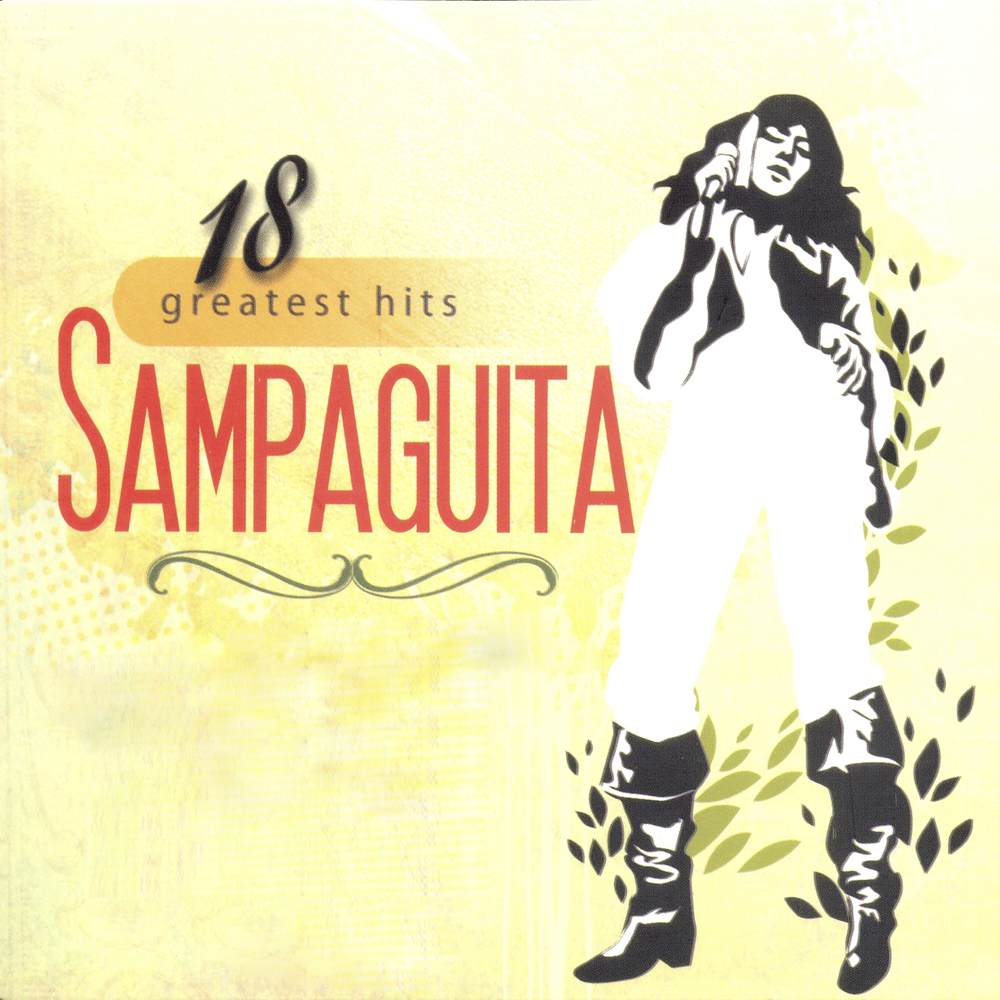
 View Artist