Song Meaning
This track opens with a stark, almost weary assessment of a long-term relationship that's soured. The narrator lays out the core conflict: despite years together, they can't seem to please each other, and their rightness or wrongness is irrelevant. The immediate emotional texture is one of resignation and a quiet plea for dignity in separation. It's less about dramatic conflict and more about the dull ache of persistent incompatibility.
The central tension emerges from the impending separation and the narrator's specific request regarding their legacy in the other person's memory. While the relationship is ending, and the friendship is ceasing, the narrator isn't asking for continued affection. Instead, they're asking for a specific kind of silence, a protection of their reputation after they've departed from the other's life. It's a poignant desire to control the narrative, even as the relationship itself dissolves.
The most striking craft element is the direct, almost transactional nature of the plea: "If you can't say anything real nice, / It's better not to talk at all." This isn't a request for forgiveness or reconciliation, but a pragmatic demand for a clean break, specifically concerning how the narrator will be remembered. The repetition of "Please don't talk about me when I'm gone" anchors this desire, making it the undeniable focal point of the song's emotional weight. The parting kiss, offered with "lots of luck," further underscores the finality and the narrator's attempt to maintain a semblance of grace.
What makes these lyrics hit so hard is their grounded, unvarnished take on the end of a relationship. The narrator isn't seeking to rekindle anything; they're seeking a specific form of respect in absence. This focus on the post-separation narrative, the fear of being mischaracterized or spoken ill of when one can no longer defend themselves, taps into a very human vulnerability. The simple, direct language makes the emotional plea feel all the more potent and relatable.
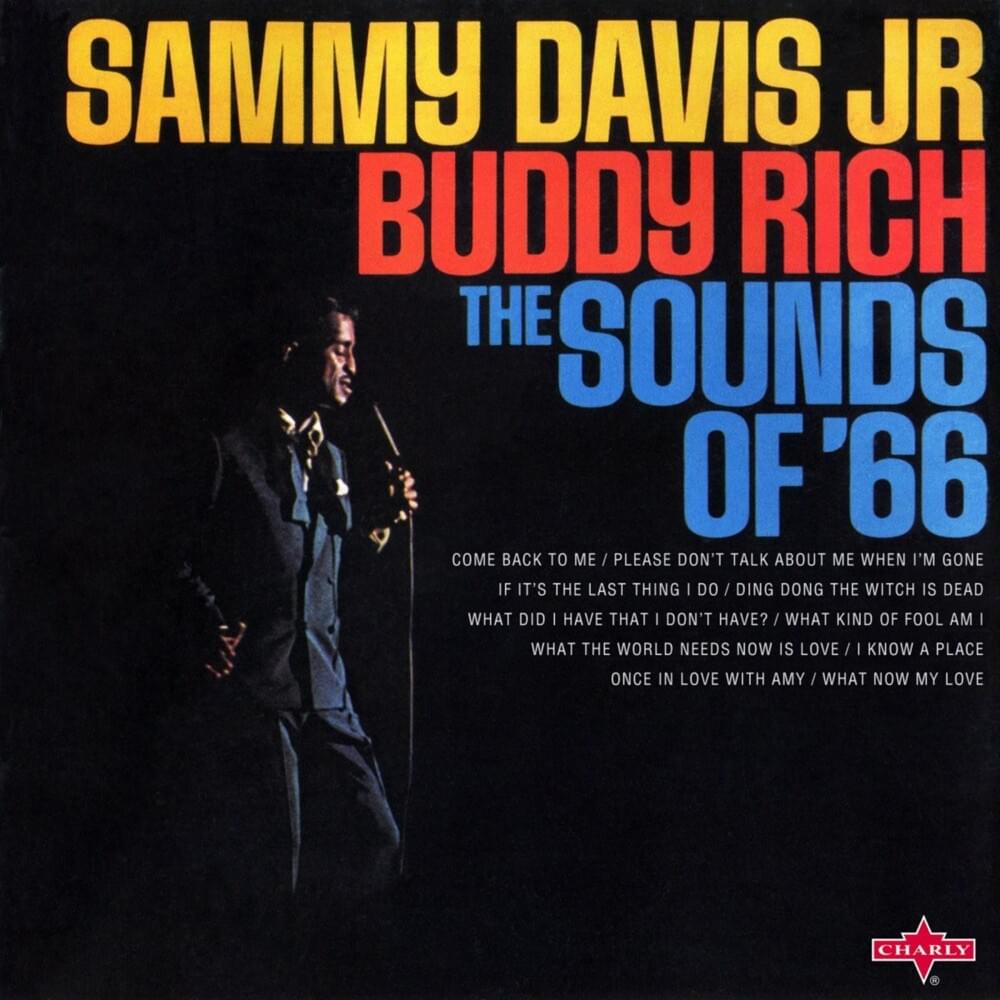
 View Artist