Song Meaning
The narrator opens with a mystical encounter, an oracle offering a choice of cards, to which they respond with a declaration of independence: "Anomalie qu'j'ai dit, j'change de cap quand j'veux." This sets a tone of self-determination and a rejection of predetermined paths. The subsequent line, "C'est la vie qu'on fête bêtement," introduces a cynical undercurrent, suggesting a superficial celebration of life that contrasts with the narrator's more complex internal state. The stark wish, "Mon Dieu, faites qu'il neige à l'enterrement," reveals a deep-seated melancholy or perhaps a desire for a subdued, private farewell, hinting at a life lived with internal struggle.
The core tension seems to lie between a desire for longevity and a profound weariness, even a morbid one. The narrator wishes to be "tellement vieux" yet simultaneously prays for snow at their own funeral, a juxtaposition of extreme age and an early, somber end. This duality suggests a complex relationship with existence, perhaps a longing for a full life coupled with an apprehension of its eventual, inevitable conclusion. The line "c'est m'élever, c'est rêver peu" further complicates this, implying that elevation and dreaming are not easily achieved or perhaps are even diminished by the weight of their experiences or outlook.
The craft here is in the unexpected juxtapositions and the fragmented, almost stream-of-consciousness flow. The shift from the oracle to a funeral wish, from aging to death, and then to a mundane "mercredi et vendredi, t'as l'jeudi," creates a disorienting yet compelling narrative. The description of their music as "presque hip-hop quand je bricole ce jazz crasseux" is a particularly striking image, suggesting a raw, unconventional fusion that defies easy categorization. This self-awareness of their unique sound is a key element of their artistic identity.
Ultimately, the lyrics resonate because they capture a feeling of being an outsider, an "anomalie," navigating life with a blend of defiance and deep introspection. The narrator’s plea for attention and their dedication "pour la famille" grounds the more abstract reflections in a relatable human connection. The closing "Ahmad" serves as a direct, personal sign-off, reinforcing the intimate and individual nature of the reflections shared, making the listener feel privy to a very personal confession.
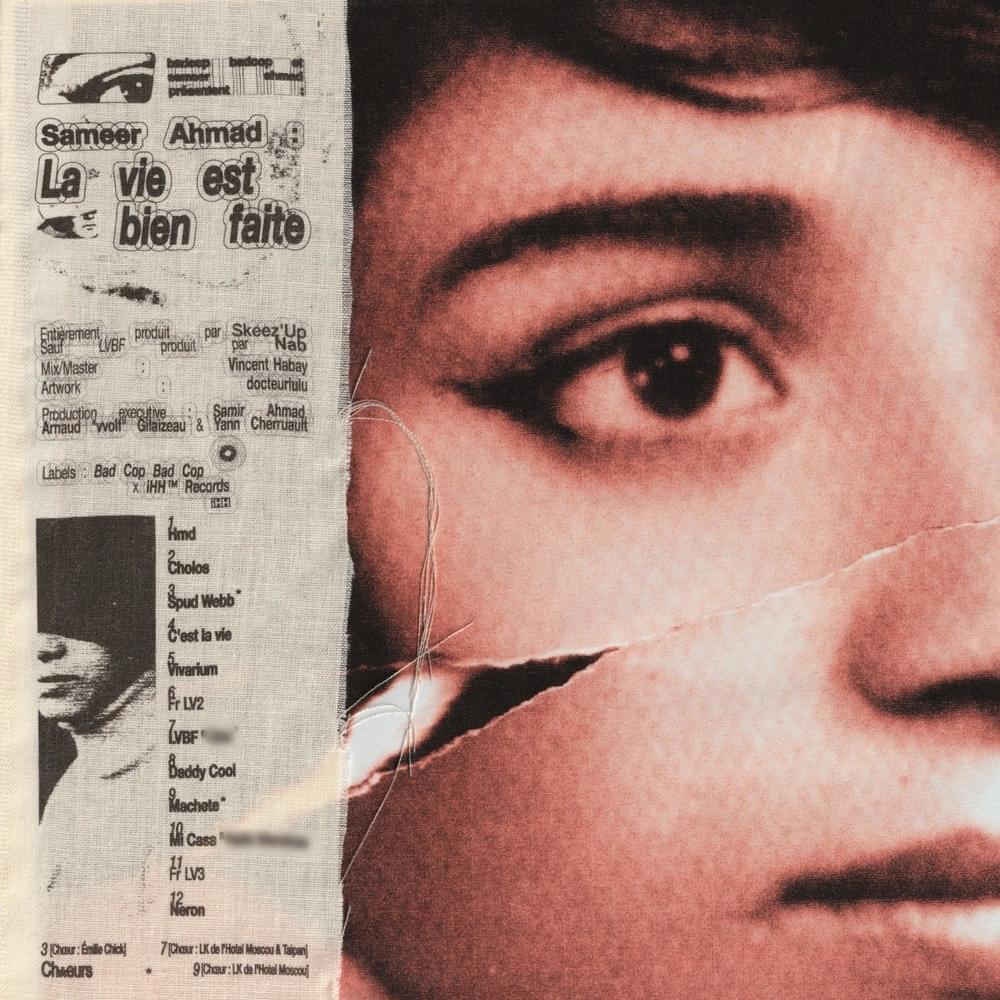
 View Artist