Song Meaning
The lyrics paint a stark picture of struggle and disillusionment, opening with a refusal to end up like a cautionary tale, "criblé comme Manny en peignoir." This sets a tone of defiant survival against overwhelming odds. The narrator invokes a sense of pride, comparing it to Algeria's resistance, but this pride is quickly overshadowed by the grim reality of "argent sale m'a rendu les mains noires" – wealth and survival coming at a moral cost. The weight of history, specifically "400 ans d'esclavage sur les noirs," feels ever-present, leading to a sharp accusation that "l'état a perdu la mémoire."
The core tension lies in the internal conflicts within communities and the misplaced focus of animosity. The narrator observes a tragic self-destruction: "Les arabes se trahissent les noirs se butent entre eux pour la gloire." This fratricidal violence, even within shared "même religion mêmе culture et même ethnie," is attributed to a singular, base motivation: "En fait c'est tout pour la maille." The lyrics suggest a profound societal rot where material gain has become the ultimate, destructive driver, leaving individuals vulnerable "de repartir à la paille" despite any accumulated wealth.
A particularly striking element is the narrator's pragmatic, almost cynical, assessment of self-preservation in this environment. The line "Aujourd'hui t'es bête si t'as Pas investi dans l'armement" reveals a worldview where security is paramount and armament is the only logical investment. This is juxtaposed with a personal confession: "Okay je suis rangé mais les choses d'avant j'avoue que ça me manque." This admission introduces a complex layer, hinting at a past life or a lingering nostalgia for the intensity or perhaps the perceived clarity of that former existence, even while acknowledging its destructive nature and the current need for a different kind of defense.
Ultimately, the effectiveness of these lyrics stems from their raw, unflinching honesty about systemic neglect and internalized conflict. The sharp contrasts—pride versus dirty hands, historical oppression versus self-inflicted wounds, past desires versus present pragmatism—create a powerful emotional resonance. The writing doesn't offer easy answers but instead lays bare a painful reality, forcing the listener to confront the destructive cycles and the desperate measures born from them.
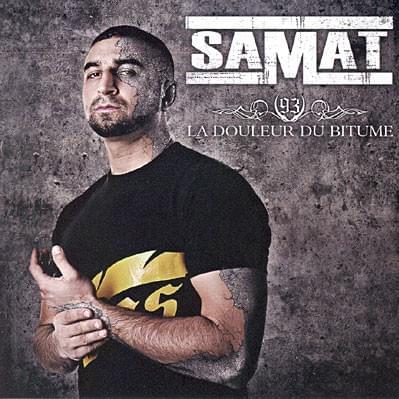
 View Artist