Song Meaning
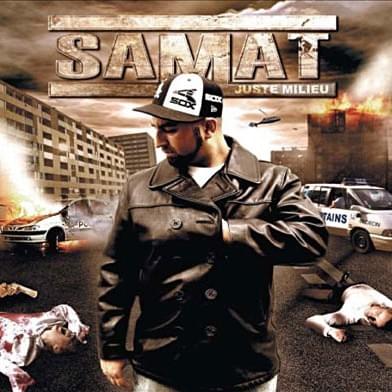
This track paints a grim picture of a neighborhood where danger is the norm. The narrator issues a stark warning: "Bienvenue dans ma rue" (Welcome to my street), immediately establishing a hostile environment. It's a place where law enforcement is predatory ("les flics te cuisinent" - the cops cook you), and even children are depicted as disturbingly violent, capable of "drive by en tricycle." The tone is aggressive and fatalistic, suggesting that survival here requires a constant state of readiness or a grim resignation.
The central tension lies in the extreme conditions of this street and the implied threat to anyone who enters. The lyrics suggest a place of desperation and lawlessness, where "craie" (chalk, likely referring to drugs) is traded and children are already "plein de simagrées" (full of pretense or fake airs), hinting at a premature exposure to harsh realities. The phrase "t'y viens tu termines nu" (you come here, you end up naked) implies a complete stripping away of dignity, resources, or even life, emphasizing the street's unforgiving nature.
The most striking aspect is the hyperbole used to convey the danger. The image of toddlers committing drive-bys is a shocking exaggeration, designed to underscore the pervasive sense of menace and the normalization of violence from a young age. This extreme imagery, coupled with the blunt, almost nihilistic advice to "Si t'assures pas vaut mieux que tu te suicides" (If you don't make it, you'd better kill yourself), creates a potent, albeit bleak, portrait of a community under siege.
These lyrics hit hard because they bypass subtlety, opting for raw, confrontational descriptions. The specific, albeit exaggerated, details like "Boulogne Pont de Sèvres Terminus" ground the abstract danger in a tangible location. The relentless negativity and the stark warnings create an immersive, unsettling experience for the listener, making the street feel like a trap from which escape is unlikely.