Song Meaning
After the Sepulture" immediately establishes a bleak, cyclical view of existence. The lyrics suggest an endless loop where "Nothing ever stops" and new beginnings are merely echoes of past endings. This opening sets a tone of inescapable repetition, framing life within a perpetual, unyielding rhythm.
A profound tension arises from the human condition of being trapped within physical forms. The speaker describes individuals as "Prisoners of or bodies," highlighting a fundamental lack of control over one's fate. Despite this confinement, there's a yearning for something more, an aspiration towards "the light," which is starkly contrasted with the inevitable darkness that awaits.
The most striking craft element is the unsettling redefinition of what comes after death. While there's a hint of the spirit being freed, the lyrics quickly subvert any notion of peace. Instead, the state "After the sepulchre" is presented as a realm where "eternity has a name": a perpetual burden of "Remorse and penitence." This twist transforms liberation into a different, perhaps more profound, form of suffering.
These lyrics are effective because they dismantle conventional ideas of death as either a final end or a peaceful transition. By portraying eternity not as a void or a reward, but as a continuous state of emotional burden, the writing creates a deeply unsettling vision. The repeated refrain about the sun turning black reinforces this grim outlook, suggesting a cyclical despair where even life itself is ultimately "just an illusion."
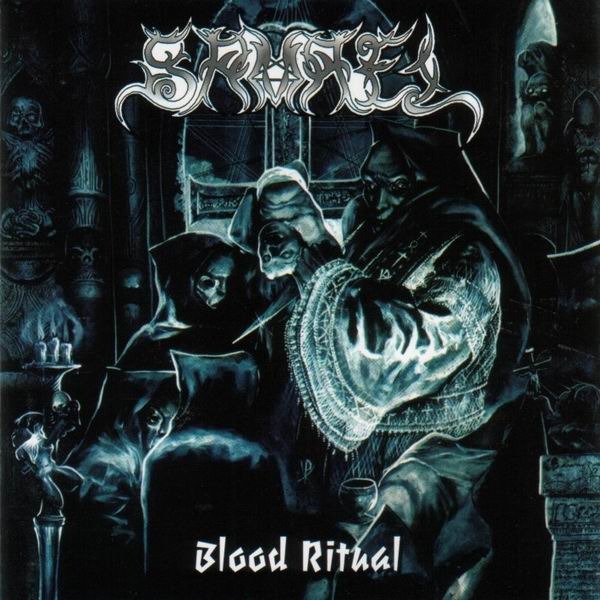
 View Artist