Song Meaning
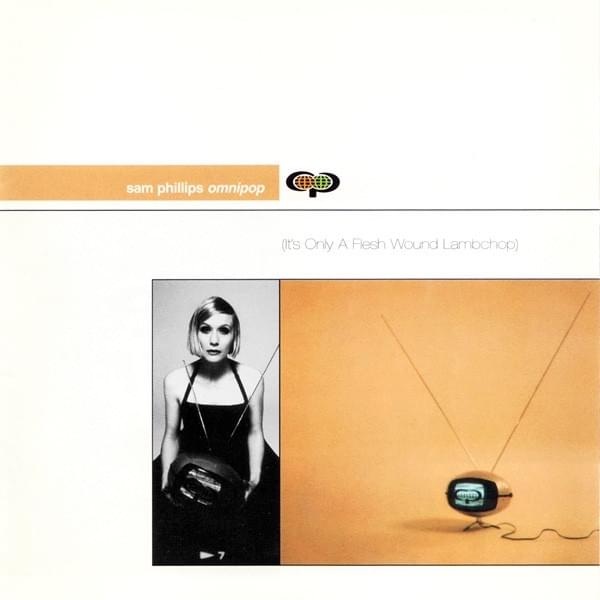
Sam Phillips's "Plastic Is Forever" isn't just a quirky art-pop tune; it's a brittle reflection on our manufactured realities. The opening lines immediately indict the numbing effect of media consumption. The TV, a ubiquitous symbol of modern life, doesn't engage in genuine dialogue ("My t.v. doesn't listen when I give it pieces of my mind"). Instead, it homogenizes experience, rendering everything "the same size," suggesting a flattening of emotional and intellectual depth. The line "Pain is pleasure when it's televised" is a particularly sharp observation, hinting at our culture's disturbing fascination with spectacle, even when it involves suffering. The screen becomes a distorting mirror, warping our perceptions of reality and empathy. This sets the stage for the central metaphor: "Plastic is forever." The chorus serves as a stark commentary on the artificiality that pervades contemporary existence. Plastic, a substance designed for longevity, represents a kind of perverse immortality, outlasting the natural world it often replaces.
The second verse expands on this theme of manufactured authenticity. The "artificial florists" selling imperishable flowers symbolize a world where genuine beauty is sacrificed for a simulacrum of it. These flowers, unlike their living counterparts, offer a promise of permanence but lack the vital essence of life. The line "They cut down the real forests / For paper petals engraved with borrowed lies" underscores the destructive cost of this artificiality. Real forests, symbols of natural abundance and ecological health, are sacrificed to create empty gestures of sentiment. The "borrowed lies" engraved on the paper petals suggest a reliance on pre-packaged emotions and narratives, further reinforcing the song's central critique of inauthenticity.
In essence, "Plastic Is Forever" functions as a cautionary tale about the insidious creep of the artificial into our lives. Phillips uses vivid imagery to expose the ways in which media, consumerism, and a relentless pursuit of the synthetic can erode our connection to genuine experience. The song's meaning is rooted in a deep skepticism about the promises of permanence and pleasure offered by a culture increasingly divorced from the natural world, and more and more addicted to the instant gratification of a screen.
 View Artist