Song Meaning
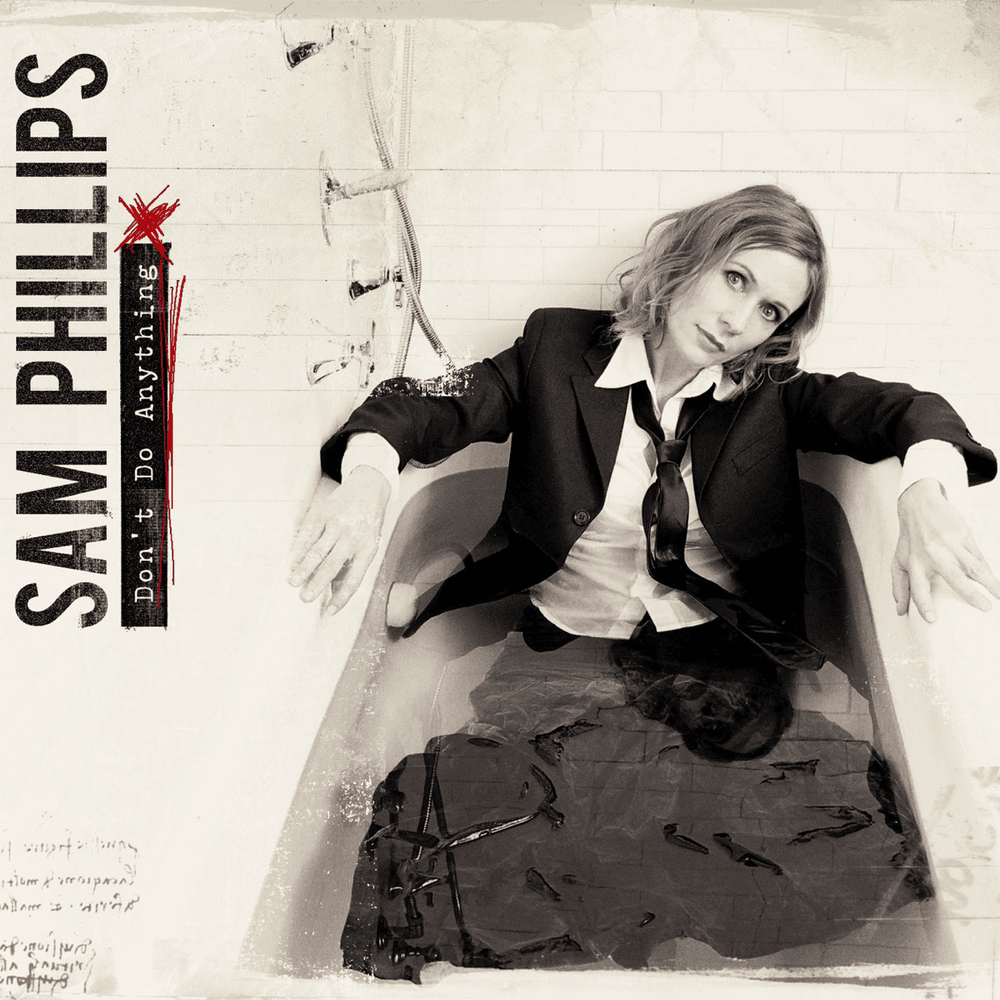
Sam Phillips' "Some Rainbows" isn't chasing pots of gold; it's a stark, almost brutal, examination of unconditional love. The repetition of "I love you / When you don't / When you don't do anything" lands like a hammer, forcing the listener to confront the uncomfortable truth that love isn't always transactional. It's not about achievement, productivity, or even basic competence. Phillips drills down to the core: love as a state of being, not a reward for performance. The lyrics become a mantra, a radical declaration of acceptance that flies in the face of societal pressures to constantly strive and achieve. The song defies the conventional narrative of earning affection, instead suggesting that love can exist, even thrive, in the face of utter inertia.
The power of "Some Rainbows" lies in its subversion of expectations. We're conditioned to believe that love is earned through effort, through meeting certain standards. Phillips throws that script out the window. The litany of "don'ts" – "don't move, don't try, don't say anything" – paints a portrait of someone perhaps struggling with depression, apathy, or a fundamental lack of motivation. Yet, the narrator's love intensifies in these moments of inactivity. This isn't a saccharine sentiment; it's a gritty, unflinching portrayal of love's potential to transcend utility. It's the kind of love that sees beyond the surface, embracing the inherent worth of the individual, regardless of their output or perceived value.
Ultimately, the song is a challenge to our own biases and preconceptions about love. It asks us to consider whether our affections are truly unconditional, or if they're contingent on the other person's ability to meet our needs and expectations. "Some Rainbows" suggests that true love isn't about what someone *does*, but about who they *are*, even in their most inert and seemingly "useless" state. The song’s meaning resonates not as a romantic ideal, but as a psychological exploration of acceptance and the radical potential of unwavering affection.
 View Artist