Song Meaning
The lyrics paint a picture of internal turmoil disguised by the imagery of a distorted summer. The opening lines immediately establish a sense of derangement, with a "grinning insanely" face in the mirror and eyes lost in the "loneliness of the sea." This isn't a scene of joyful summer but one where passion has "frozen," mirroring a bleak season, and the "black waves" threaten even the "ship of the free." It suggests a profound internal crisis that feels both vast and inescapable.
The central tension arises from the contrast between the expected warmth and light of midsummer and the destructive, desolate imagery presented. The "midsummer music" in the head becomes a harbinger of "the end," while the "midsummer silence" in the hills is juxtaposed with a "lake reflecting, still" – a stillness that feels ominous rather than peaceful. The natural world, usually vibrant in summer, is depicted as decaying and consumed by fire, with grass "choking the trees" and leaves falling "like bats' wings into the fire."
The most striking craft element is the persistent subversion of summer's typical associations. The "midsummer" label is consistently paired with images of ruin and despair. The "white smoke rise ever higher" and the "snake slithers... painting the canvas black" are potent symbols of destruction and corruption. The final image of the "sunrise is flaming over my shoulder / Tearing the burnt land's future apart" powerfully conveys a sense of irreversible damage, even as a new day begins.
These lyrics resonate because they tap into the unsettling feeling of internal chaos occurring beneath a seemingly normal or even festive exterior. The repeated "Midsummer" acts as a dark refrain, highlighting how profound personal distress can warp one's perception of time and season. The writing effectively uses natural imagery to externalize an internal breakdown, making the emotional landscape feel both vast and intensely personal.
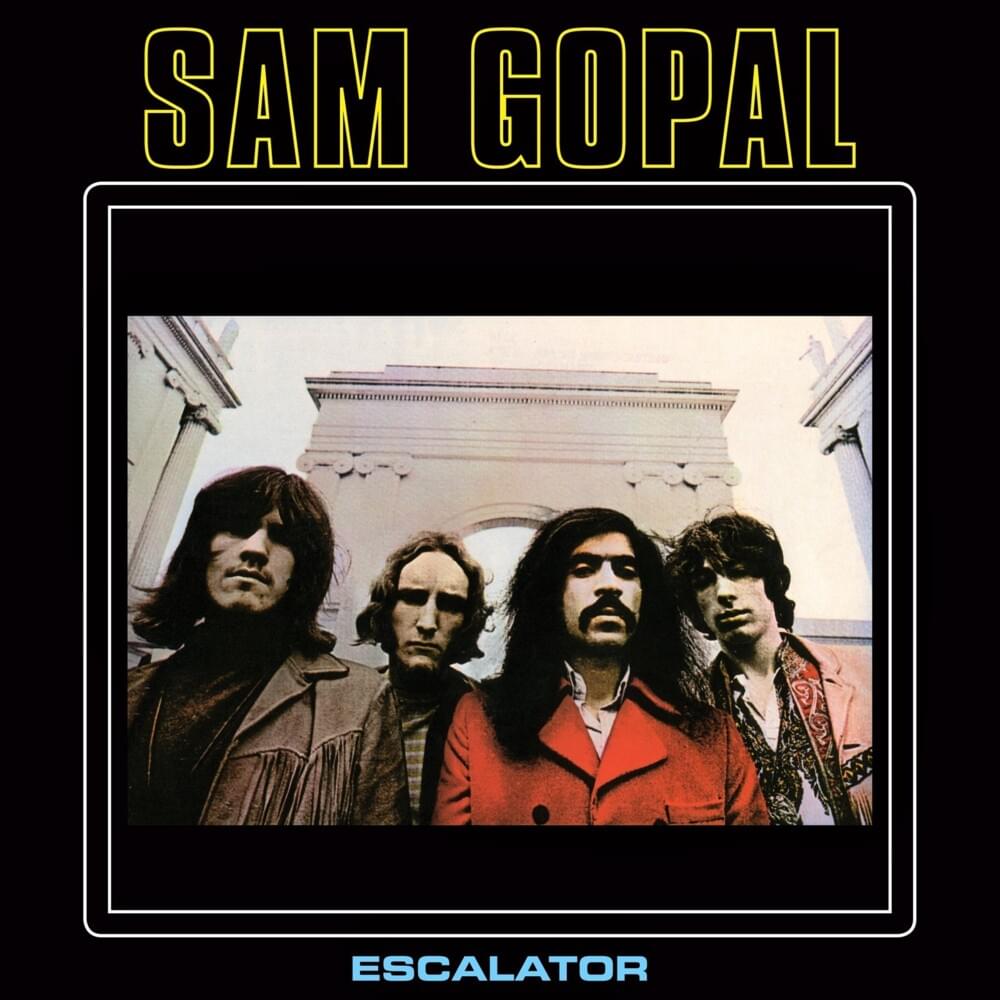
 View Artist