Song Meaning
The narrator feels profoundly out of sync with the prevailing societal norms and anxieties. There's a palpable rejection of "guns and mythologies" and "old time fears," suggesting a deep discomfort with established structures and what the world dictates as necessary. This sense of alienation is immediate and sharp, setting a tone of disillusionment with the broader landscape.
This unease is directly contrasted with a desperate plea for connection and intimacy: "Hold on tighter to me, baby / Don't let me go." The vastness of "miles and miles of country" before reaching "home" functions as a metaphor for the daunting journey ahead, emphasizing the precariousness of their current state and the need for mutual reliance. The concept of "home" here feels less like a physical place and more like a state of belonging or peace that is currently out of reach.
The lyrics reveal a struggle with artistic influence and legacy. The narrator acknowledges emulating "idols" and following them "to the grave," a powerful image of unthinking devotion or perhaps a sense of being trapped by tradition. However, a shift occurs with "But now we ride / And we'll stay free," indicating a deliberate choice to break away from this prescribed path and forge their own way, seeking a different kind of freedom.
This newfound freedom is explicitly linked to the "love you gave," suggesting that genuine connection is the true source of liberation, not the hollow pursuits of society or the dictates of past artists. The repeated desire to "stay free" and "live out our days" underscores the core emotional arc: a movement from societal rejection and artistic imitation towards a self-determined existence found in shared love and a shared journey, even if that journey is long and uncertain.
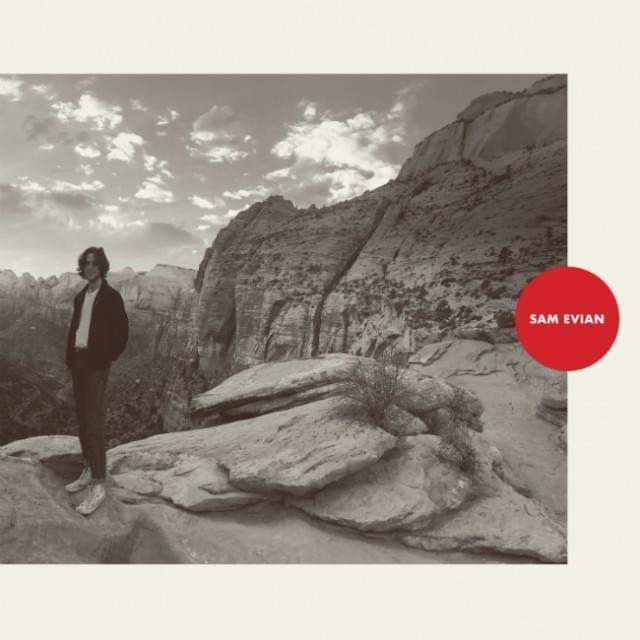
 View Artist