Song Meaning
Sam Cooke's "Yeah Man" isn't a profound lyrical journey, but a primal scream of joy, a celebration of movement and music stripped down to its most fundamental elements. It's pure, unadulterated enthusiasm, a feeling any listener can tap into, regardless of background. The lyrics themselves are less about conveying a specific narrative and more about creating an atmosphere of infectious energy. Cooke lays down a rhythmic foundation with simple questions – "Do you like good music? Crazy 'bout music?" – and then builds on it with a series of dance crazes, referencing the monkey, the Watusi, and the Twist. It's a cultural snapshot of the era's dance floor, but also a timeless invitation to participate in collective euphoria. The 'yeah man' affirmations act as a constant reinforcement, a sonic high-five urging the listener to keep going. It’s like a gospel call-and-response, but instead of religious fervor, it's about the religion of rhythm.
Cooke’s genius lies in transforming the mundane into the ecstatic. The song morphs into a series of seemingly random scenarios – a football field, a baseball diamond, a shipwreck in the ocean. These images aren't connected logically, but they all share a common thread: the need for action, for physical exertion, for striving. The football player must run, the baseball player must swing, the drowning swimmer must fight to survive. It's a subtle, almost subconscious connection, but it underscores the song's underlying message: life is about movement, about embracing the present moment with every fiber of your being. The final lines, "Swim, swim, got to go / I'm going home," suggest a return to a primal state, a shedding of inhibitions and a surrender to the rhythm of life itself.
Ultimately, the "Yeah Man" song meaning resides not in its words, but in its spirit. It’s a reminder that joy can be found in the simplest of things: a good beat, a shared dance, a collective sense of abandon. It's an experience of collective catharsis, a temporary escape from the anxieties of daily life. Sam Cooke acts as the charismatic preacher, leading his congregation towards a state of pure, unadulterated bliss. The song’s legacy lives on because it taps into something deeply human: the desire to connect, to move, and to lose ourselves in the moment.
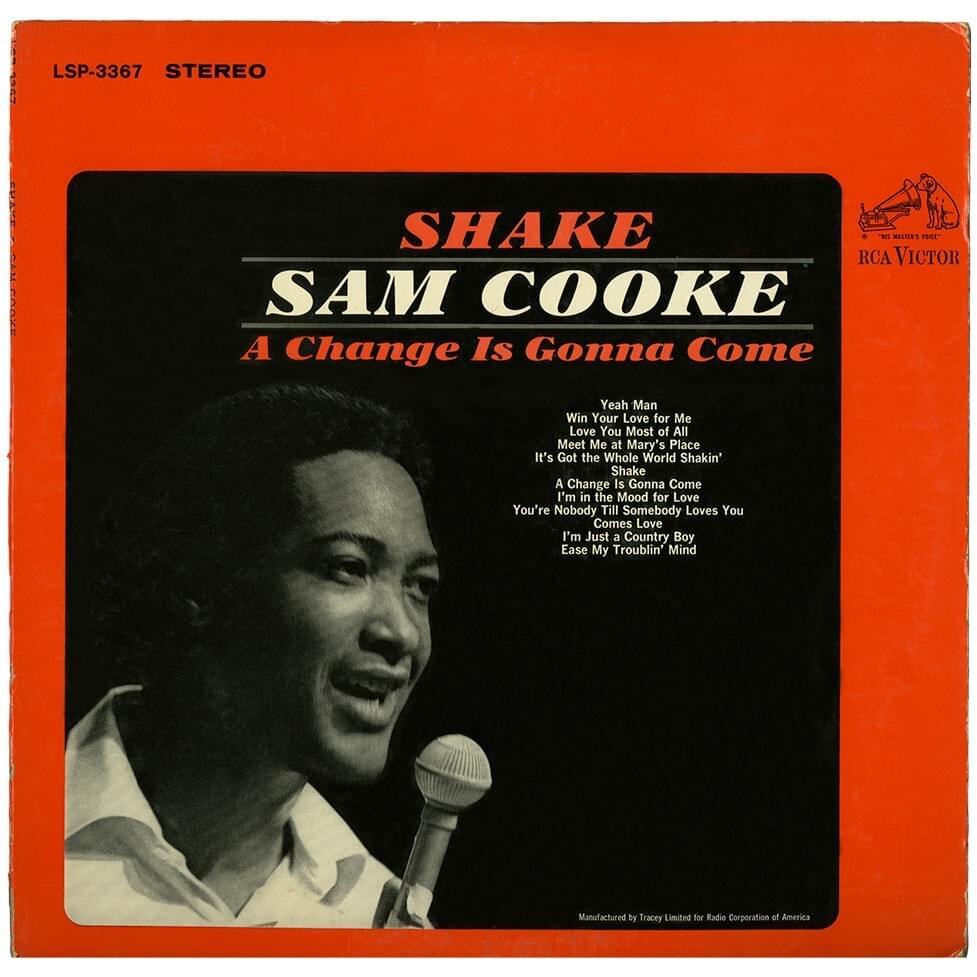
 View Artist