Song Meaning
Sam Cooke's interpretation of "Willow Weep for Me" is more than just a lament; it's a masterclass in externalizing internal anguish. The willow tree, a classic symbol of sorrow, becomes Cooke's confidante and mirror. He doesn't just describe sadness; he projects it onto the natural world, blurring the lines between personal grief and universal mourning. The opening lines, a direct address to the willow, immediately establish this intimate, almost desperate connection. The willow's weeping branches become a physical manifestation of the heartbreak Cooke so eloquently conveys. He's not simply sad; he's summoning the very elements to share in his pain. The stream, the wind, the night—all are enlisted as witnesses to his loss, amplifying the feeling of utter desolation. It's a sophisticated articulation of loneliness, where even the stars are asked to hide their light, lest they illuminate his solitary suffering.
The bridge offers a crucial insight into the source of this profound sadness: love's betrayal. Cooke sings, "Whisper to the wind / And say that love has sinned." This isn't just a broken heart; it's a perceived injustice, a moral failing on the part of love itself. The weeping and moaning are not merely expressions of sadness; they are indictments of love's capacity to inflict such pain. The repeated plea for the willow to bend its branches and "cover me" speaks to a desire for solace, but also for concealment. It's as if Cooke seeks to disappear within his sorrow, to be absorbed by the weeping world around him. This desire for oblivion is a powerful indicator of the depth of his despair.
Ultimately, Sam Cooke's rendition of "Willow Weep for Me" transcends the typical love song. It's a study in emotional transference, a portrait of grief so profound that it seeks to reshape the very landscape. The song's meaning lies not only in the expression of sadness but in the transformation of that sadness into a shared experience with the natural world. The willow becomes more than just a tree; it becomes a vessel for collective sorrow, a reminder of love's potential to wound, and a testament to the enduring power of music to articulate the most profound human emotions.
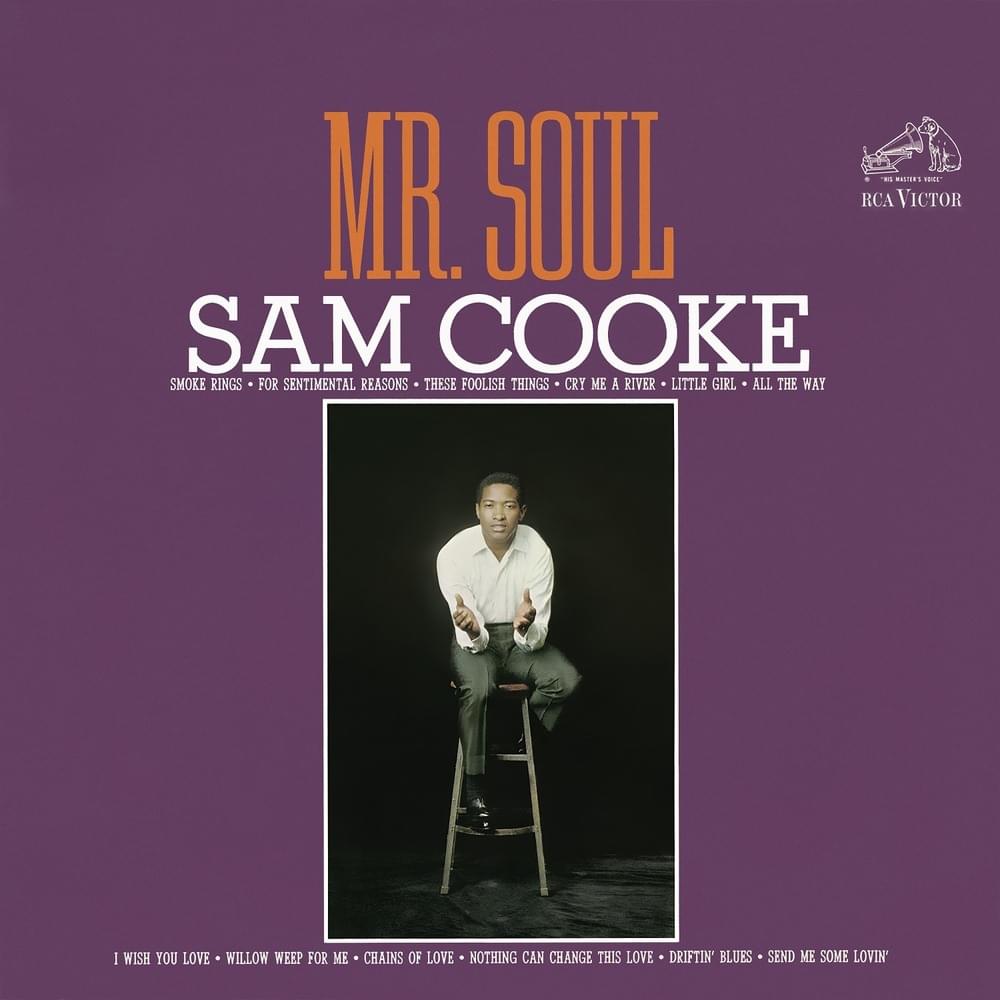
 View Artist