Song Meaning
Sam Cooke’s “The Song Is Ended” isn’t simply about the close of a love affair; it's a poignant meditation on impermanence itself. The titular song, representing a shared experience, a relationship, a moment of joy, fades, but its echo refuses to dissipate. The repetition of "But the melody lingers on" underscores this central theme. It's the psychological imprint of a powerful experience, the way a scent can trigger a forgotten memory, or a familiar street corner can flood you with nostalgia. The sun, a conventional symbol of warmth and vitality, is gone, paralleling the absence of the lover. Both departures cast a shadow, yet the lingering melody suggests that complete erasure is impossible.
The song's narrative unfolds within a specific timeframe—a splendid night under the moon, a love song sung too soon. This fleeting nature of beauty and connection is further emphasized by the line, "O, summer will pass away, take your happiness while you may." This isn't just about romantic love; it's a broader recognition of life's transient nature. The imperative to seize happiness acknowledges the inevitable arrival of loss. The moon, a symbol of change and reflection, descends as dawn breaks, revealing the stark reality of absence. This transition from the emotional intensity of night to the cold light of day mirrors the shift from presence to absence, from hope to resignation.
Ultimately, “The Song Is Ended” captures the bittersweet nature of memory. The lyrics analysis reveals a sense of melancholic acceptance. It’s not just grief over what’s lost, but a recognition that every beautiful experience carries within it the seed of its own ending. The lingering melody becomes a metaphor for the enduring power of these experiences to shape our present, a constant reminder of both joy and sorrow, forever etched into our emotional landscape. Cooke, with his signature blend of soulful delivery and lyrical simplicity, transforms a personal lament into a universal statement about the human condition.
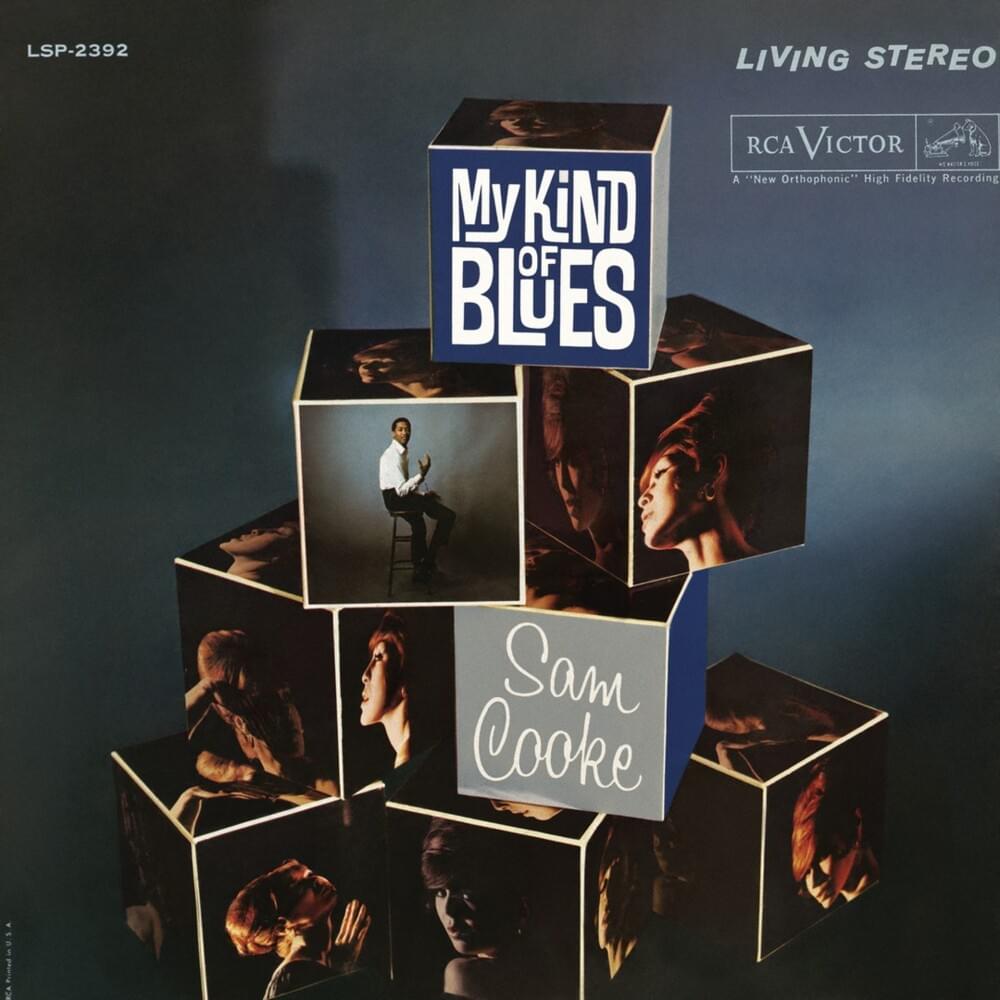
 View Artist