Song Meaning
Sam Cooke's "The Great Pretender" isn't just a song; it's a stark portrait of emotional concealment, painted with the vibrant hues of mid-century pop. The genius of the song meaning lies in its deceptively upbeat melody, juxtaposed against lyrics that reveal a profound and aching loneliness. Cooke's narrator isn't merely sad; he's actively constructing a false reality, a performance of happiness designed to mask an unbearable inner void. He's "adrift in a world of my own," forced to "play the game" of social acceptance while privately battling the pain of abandonment. This resonates deeply, tapping into the universal human tendency to project an image of strength even when crumbling inside.
The core of "The Great Pretender" dwells in the tension between outward appearance and inner turmoil. The lyrics highlight the exhausting effort required to maintain this facade. The repeated line, "I seem to be what I'm not, you see," underscores the conscious act of deception. He's not simply pretending to be okay; he's crafting an elaborate illusion, complete with laughter and a "gay like a clown" demeanor. The line "wearing my heart like a crown" is particularly poignant – a symbol of both vulnerability and the attempt to transform that vulnerability into a display of strength, even if it's a hollow one. This speaks to the psychological burden of suppressing genuine emotions, a burden felt acutely in a society that often prioritizes appearances over authenticity.
Ultimately, the tragedy of "The Great Pretender" is the isolation it creates. By constructing this wall of pretense, the narrator effectively cuts himself off from genuine connection. No one can see his true pain because he actively hides it. The song is a timeless exploration of the human condition, a reminder that even behind the brightest smiles, there may lie a profound and aching loneliness. Sam Cooke masterfully captures this dichotomy, transforming personal heartbreak into a universal anthem of hidden suffering.
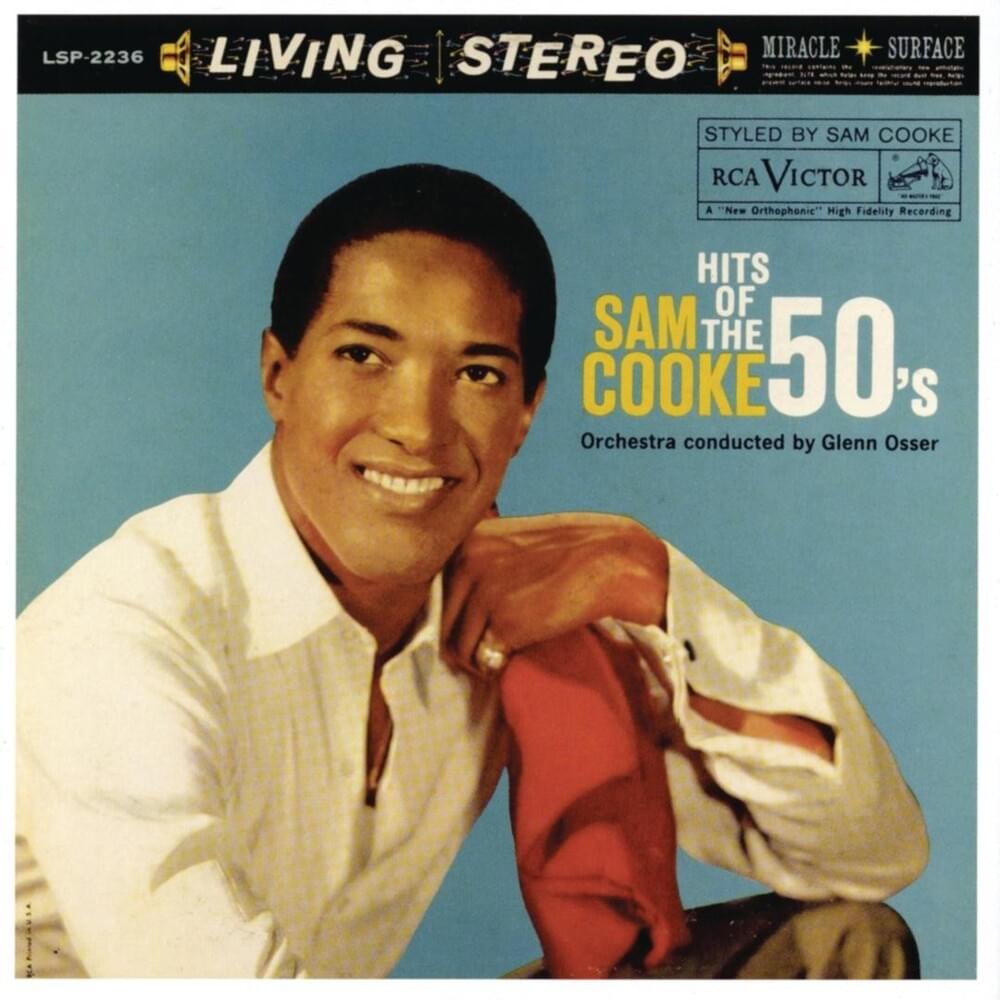
 View Artist