Song Meaning
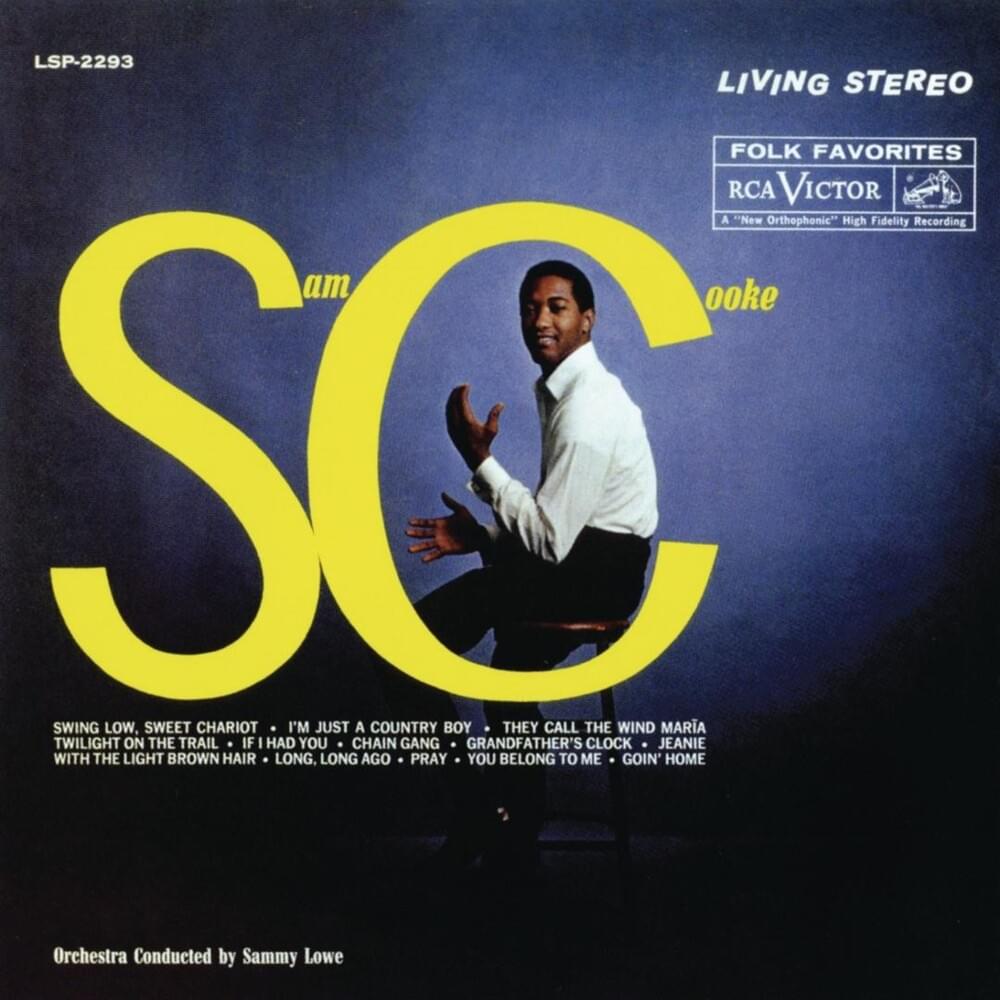
Sam Cooke's rendition of "Long, Long Ago" isn't just a nostalgic trip; it's a masterclass in the psychology of hope and the bittersweet ache of memory. Stripped of modern production gloss, the song's core meaning resides in its delicate balance between yearning and resignation. The lyrics paint a picture of a lover returned after a significant absence, prompting a cascade of recollections and a fragile attempt to rekindle a flame that may have long since dimmed. The opening lines, a direct plea to "Tell me the tales that to me were so dear / And sing me the songs I delighted to hear," immediately establish a desire to recapture a lost intimacy. This isn't simply about remembering; it's about actively rebuilding a shared emotional landscape.
Cooke's delivery, imbued with his signature soulful grace, amplifies the underlying tension. The speaker grapples with the knowledge that they may no longer hold the unique position they once did in their lover's affections: "I know you've by more eloquent lips have been praised." This awareness introduces a layer of vulnerability, transforming the initial hopeful request into a more complex emotional negotiation. The "long absence" serves as a trial, a test of enduring affection. The repetition of "Long, long ago" isn't merely a temporal marker; it emphasizes the distance, the potential for irreparable change, and the almost desperate attempt to bridge the chasm of time.
Ultimately, "Long, Long Ago," as interpreted by Sam Cooke, speaks to the human need for validation and the enduring power of early romantic experiences. It acknowledges the possibility of change, the sting of comparison, and the inherent risk in revisiting the past. The song's melancholic beauty lies in its honest portrayal of love's complexities, recognizing that even the most cherished memories are often tinged with the bittersweet awareness of what has been lost or altered by time's relentless passage.
 View Artist