Song Meaning
Sam Cooke's "Little Girl Blue" isn't just a lament; it's a psychological portrait of crushing loneliness, painted with deceptively simple strokes. The song’s brilliance lies in its direct address, the narrator speaking *to* the titular "little girl blue" as if she's a separate entity, a fractured piece of self. This creates a sense of detachment, as if the singer is observing her own despair from a remove, highlighting the isolating nature of deep sadness. The repetition of "old girl" is particularly biting, implying not just age, but a weariness beyond her years, a soul prematurely aged by disappointment. It's the sound of a spirit giving up.
The lyrics themselves are stark and minimalist, focusing on the imagery of counting fingers and raindrops. These mundane actions underscore the emptiness of her existence, the feeling that time is passing without meaning or connection. Counting becomes a futile exercise, a way to fill the void when hope has dwindled. The "tender blue boy" acts as a phantom solution, a longing for solace that never arrives. This absent figure isn't necessarily a romantic interest; he represents comfort, empathy, a connection to pull her from the depths.
Ultimately, the song meaning resides in its circularity. The repetition of the opening verse reinforces the sense of being trapped in a cycle of despair. There's no resolution, no escape offered. "Little Girl Blue" remains stuck in her melancholic loop, counting raindrops and fingers, a poignant and unsettling depiction of unresolved sorrow. Cooke's delivery, smooth yet tinged with a knowing sadness, elevates the song beyond a simple ballad into a timeless exploration of the human condition.
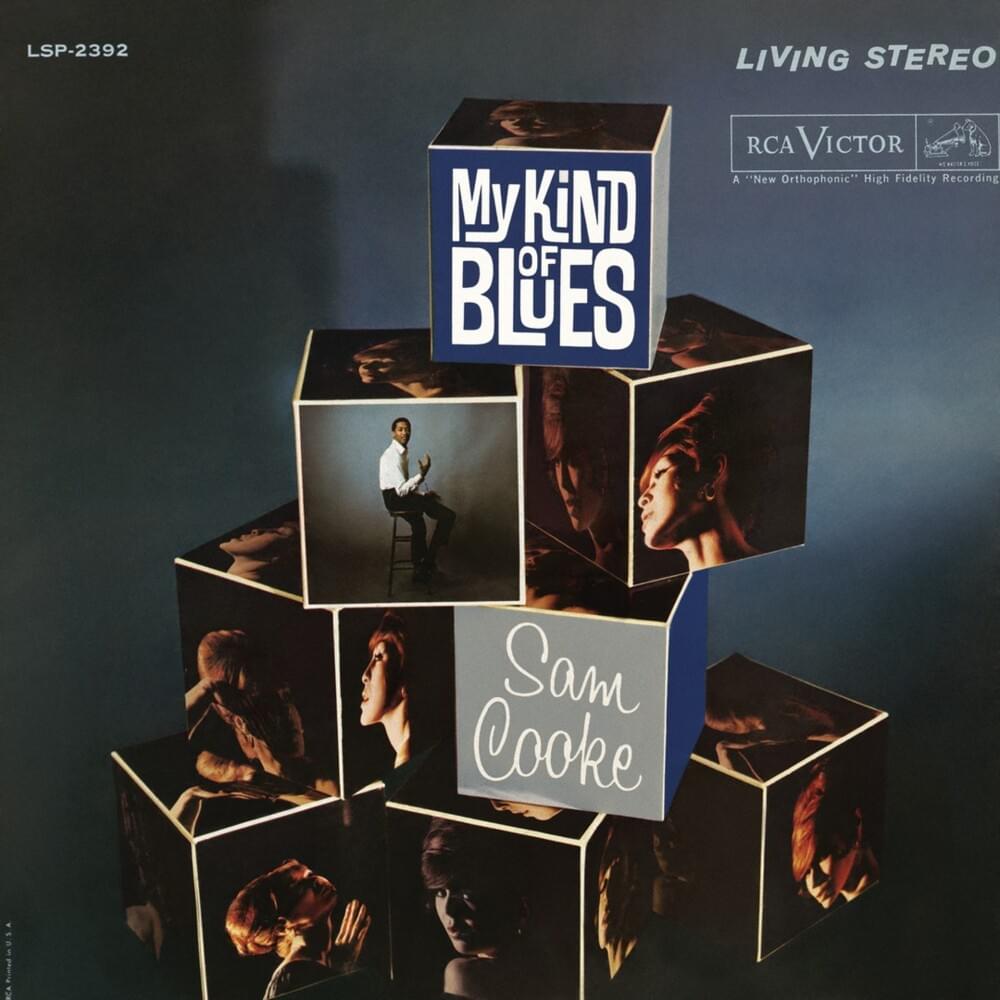
 View Artist