Song Meaning
Sam Cooke’s "Don't Cry On My Shoulder" isn't just a plea; it's a study in romantic frustration, a simmering resentment masked by a veneer of gentlemanly patience. The song meaning hinges on the agonizing disconnect between physical intimacy (dancing, closeness) and emotional unavailability. He's holding her, moving with her, yet she's miles away, lost in the memory of another. The repetition of "Don't cry on my shoulder / For somebody else / While I'm dancing this dance with you" underscores the depth of his hurt. It's not just about jealousy; it's about feeling used, a prop in her ongoing drama. He offers comfort, but she's not seeking solace in him, merely using him as a temporary repository for her grief. The phrase "dancing this twist with you" hints at the uncomfortable contortions of their relationship, a forced intimacy that lacks genuine connection.
The lyrics further expose the chasm between their words and actions. She claims to love him, "yet / How come while we're dancing / Our eyes never met?" This is the crux of the song's emotional power. Eye contact, a fundamental aspect of human connection, is absent. It suggests a profound lack of reciprocity, a refusal to truly see him. He's a body, a warm presence, but not a person to her. The almost desperate repetition of "I told you I am in love with you / At least I mean to tell you I am in love with you" reveals a vulnerability beneath the wounded pride. It's a confession of his feelings and a subtle accusation of her emotional unavailability. He’s not just stating his love; he’s begging for acknowledgement, for her to reciprocate the feeling he so desperately wants to express.
Ultimately, "Don't Cry On My Shoulder" is a masterclass in subtle emotional complexity. Sam Cooke uses the simple setting of a dance to explore themes of unrequited love, emotional exploitation, and the painful realization that sometimes, being physically close to someone is the loneliest place to be. The song is a poignant exploration of the human need for connection and the sting of being used as a substitute for genuine intimacy.
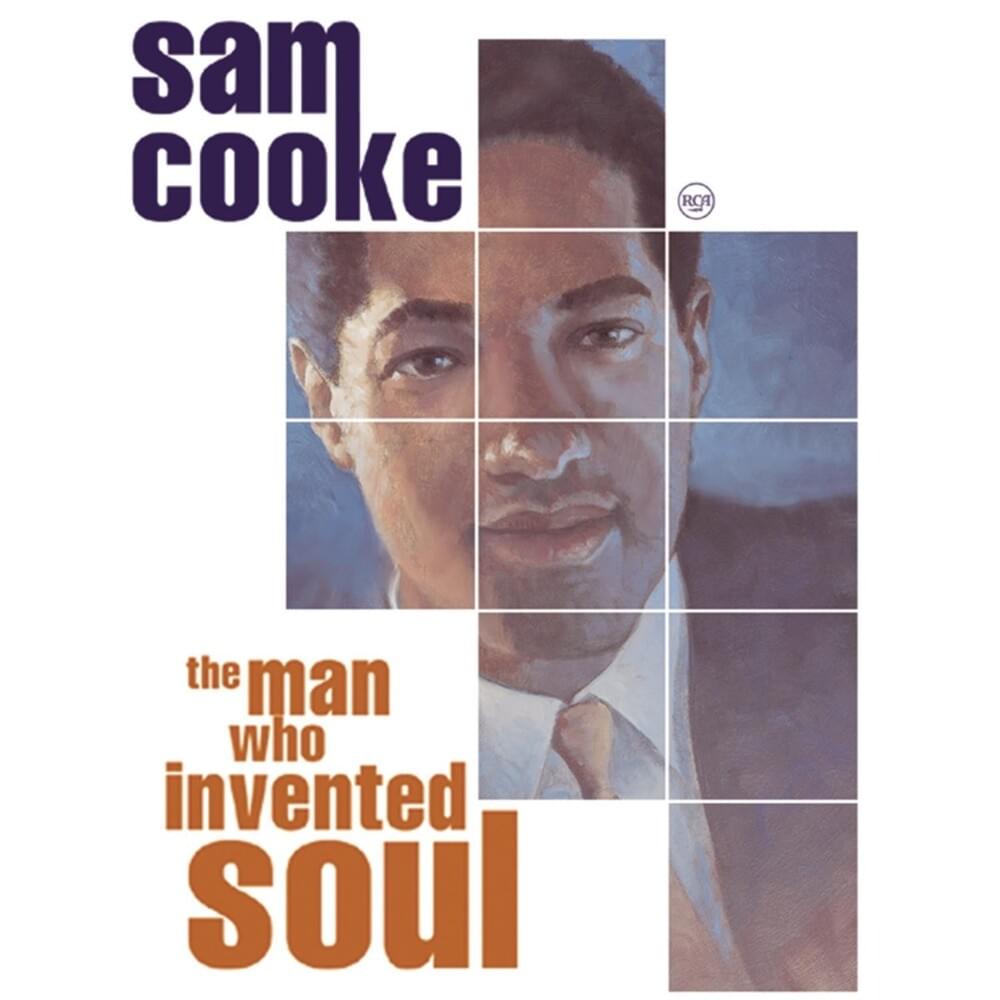
 View Artist