Song Meaning
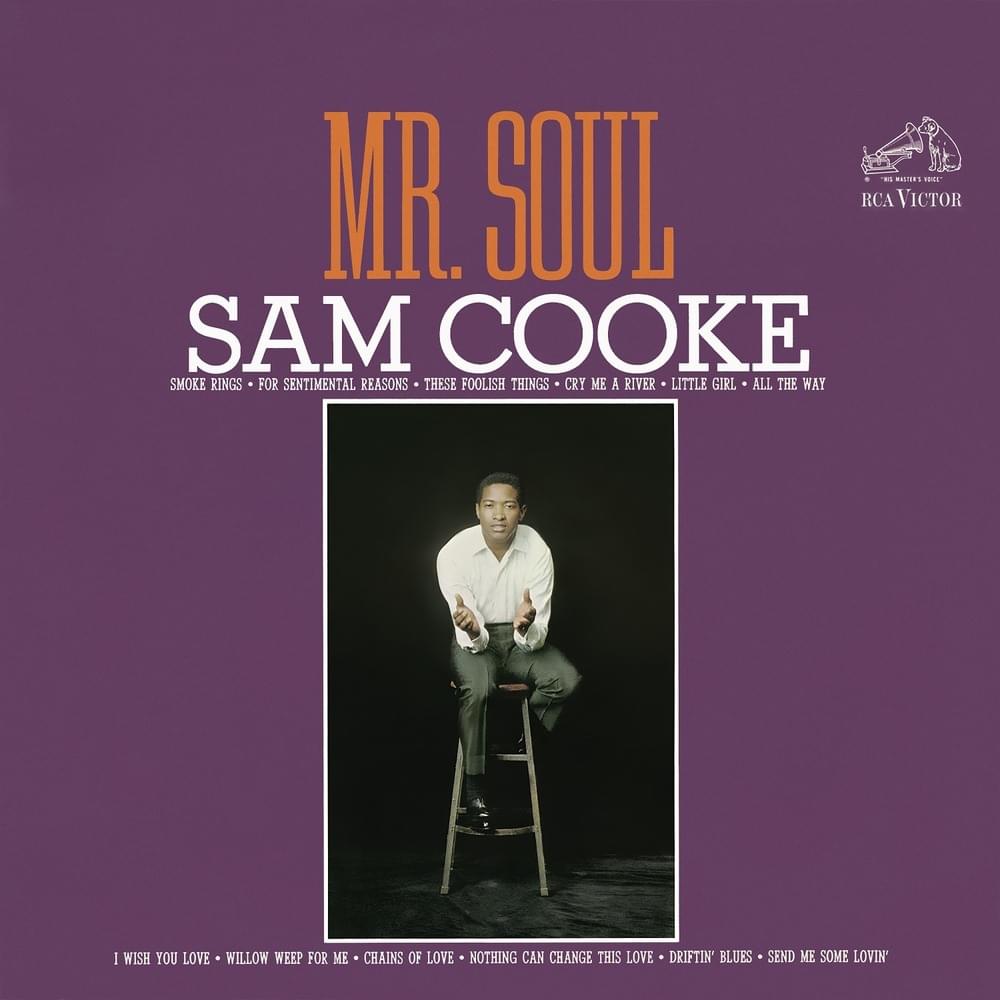
Sam Cooke's rendition of "Cry Me a River" isn't just a song; it's a masterclass in emotional payback, delivered with a velvet voice that somehow sharpens the sting. The song meaning hinges on a simple, brutal reversal: the offender now seeks forgiveness, dripping with the same sentimentality they once scorned. Cooke doesn't offer absolution; he offers a mirror, reflecting their sudden sorrow back at them with cold, measured indifference. It's a performance of emotional detachment bordering on theatrical, as Cooke weaponizes his famous charm. The phrase "Cry Me a River" itself becomes a potent symbol of dismissed pain, a flippant rejection of the other's newfound regret.
What makes Cooke's take on "Cry Me a River" so resonant is the implied history. The lyrics sketch a portrait of a lover who once held all the power, dismissing Cooke's affections as beneath them, even going so far as to call love itself "too plebeian." This wasn't a simple breakup; it was a calculated act of emotional superiority. Now, the tables have turned, and Cooke, armed with the memory of his own anguish, refuses to offer comfort. The repetition of "I cried a river over you" isn't just a reminder of his past suffering; it's a declaration of emotional independence. He's moved on, and their tears hold no sway.
Beneath the surface of wounded pride, "Cry Me a River" hints at deeper psychological complexities. It touches on themes of narcissism and empathy, exploring the power dynamics within relationships and the consequences of emotional callousness. The song's enduring appeal lies in its ability to tap into our own experiences of heartbreak and betrayal, offering a cathartic release through Cooke's controlled, almost detached performance. He's not wallowing; he's observing, judging, and ultimately, dismissing the other's plea for forgiveness. It's a song about reclaiming agency and finding strength in the face of emotional manipulation, all wrapped in a deceptively smooth package.
 View Artist