Song Meaning
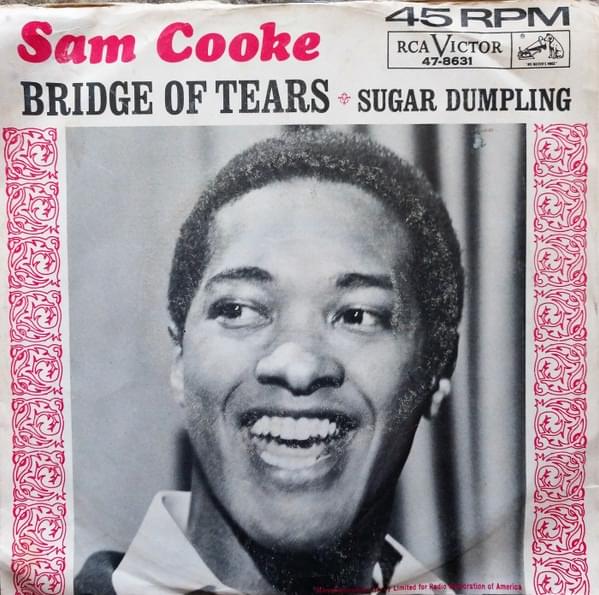
Sam Cooke's "Bridge of Tears" isn't just a heartbreak ballad; it's a study in the architecture of grief. The titular bridge isn't a physical location but a psychic space, a fragile span constructed from broken promises and dashed hopes. The repeated phrase emphasizes the speaker's stuckness, paralyzed by the betrayal. He's not simply sad; he's stranded. The simplicity of the lyrics belies their emotional weight, each line a carefully placed stone in this monument to lost love. Cooke masterfully uses repetition, like the echoing plea in "I need you, I need you here," to underscore the obsessive nature of heartbreak, the mind circling endlessly around the absence of the beloved. It's a raw, almost primal scream disguised as a smooth soul lament.
The song's power lies in its universality. The specific details – the wedding plans, the assurances of eternal love – are almost secondary. What resonates is the feeling of abandonment, the sense of being utterly lost without the guiding presence of the other. The bridge becomes a metaphor for the precariousness of human connection, how easily love can crumble into sorrow. The speaker's yearning for guidance highlights the inherent vulnerability in love, the willingness to cede control and trust another with our emotional well-being. When that trust is broken, the result is this agonizing limbo, this "bridge of tears" where the past haunts the present and the future seems impossible to navigate.
Consider the psychological implications of being stuck on this bridge. It suggests a refusal to move on, a clinging to the past despite the pain it inflicts. The repetition of the bridge metaphor isn't just a lyrical device; it's a manifestation of the speaker's emotional state, trapped in a cycle of longing and despair. The absence of any mention of anger or resentment is striking. Instead, there's only a profound sense of need and a desperate plea for guidance. "Bridge of Tears" becomes a haunting exploration of the darker side of love, where the promise of forever can morph into an unbearable present, and the only path forward is a treacherous crossing fraught with sorrow.
 View Artist