Song Meaning
The lyrics paint a stark picture of someone trapped in a self-destructive cycle, observed by a narrator who feels both detached and resigned. The opening lines immediately establish a sense of disorientation and delusion with "your dream time town" and the question "Are you sure you're sane." The "ball and chain" serves as a potent image of an inescapable burden, yet the subject is seen "tumble down" within this constraint, suggesting a passive descent rather than an active struggle against it. The "breaking glass" and "shouted screams" are dismissed as "unimportant sounds," highlighting the narrator's growing emotional distance or the subject's profound disconnect from reality.
The central tension lies in the narrator's conflicted observation of the subject's behavior. The repeated chorus, "You're running around living it up / Running around giving it up," captures a duality: a facade of enjoyment and revelry juxtaposed with a sense of ultimate surrender or waste. This phrase suggests a frantic, perhaps desperate, attempt to experience life while simultaneously squandering it, a performance of vitality that masks an underlying depletion. The narrator seems to witness this paradox without offering intervention, noting, "There's nothing I can say."
The lyrics employ a sharp contrast between the subject's perceived "dream time town" and the narrator's more grounded, albeit critical, assessment. The narrator labels the subject "completely mad" and a "fool," suggesting a clear-eyed view of the destructive path. Yet, the narrator also admits, "You're just as bad," hinting at a shared complicity or a similar underlying issue, even if expressed differently. This admission complicates the observer role, implying that the narrator's detachment might be a defense mechanism against their own perceived flaws or the painful reality of the situation.
Ultimately, the effectiveness of these lyrics stems from their portrayal of a relationship strained by delusion and resignation. The "ball and chain" isn't just an external force but an internal state, binding the subject to a destructive pattern. The narrator's passive, critical stance, coupled with the cyclical, almost hypnotic repetition of the chorus, creates a feeling of inescapable melancholy. It’s the quiet observation of a slow-motion collapse, where the most dramatic sounds are rendered insignificant by the overwhelming weight of the subject's internal "broken dream."
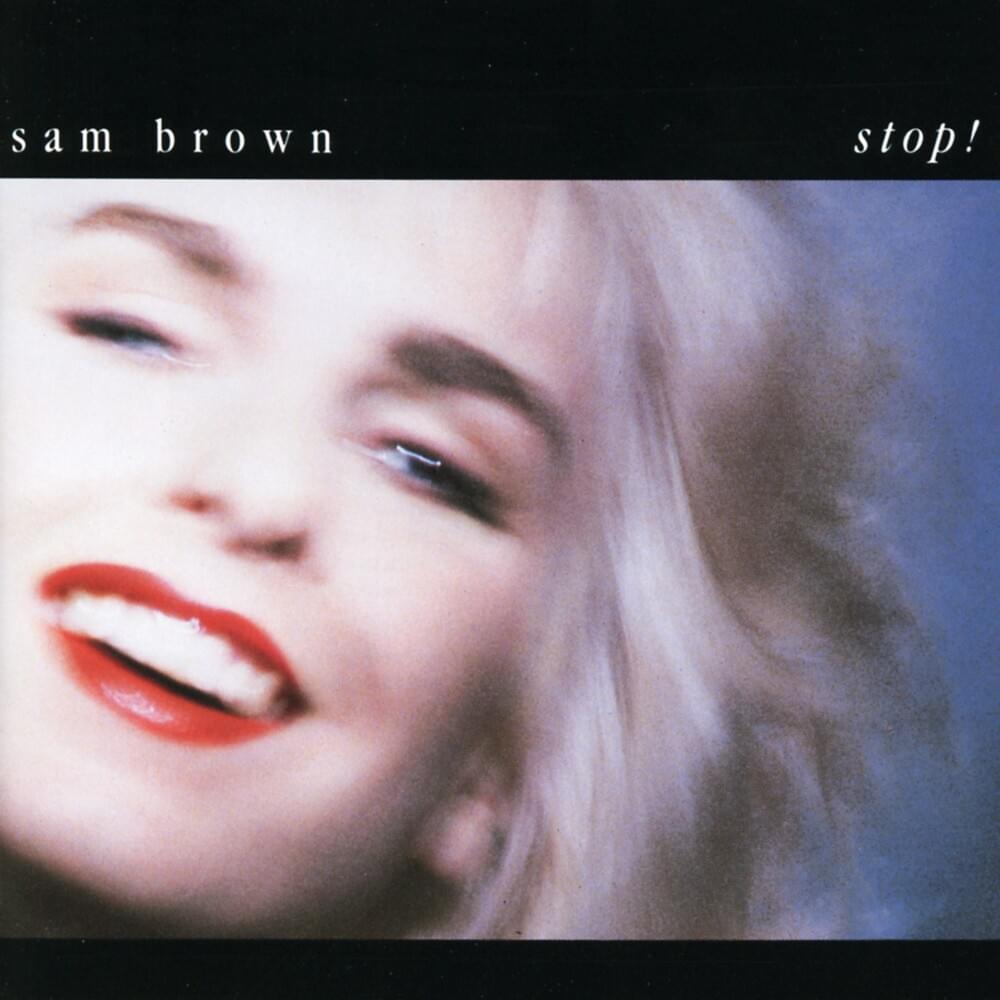
 View Artist