Song Meaning
The lyrics paint a vivid picture of childhood summers, a time of aimless gatherings and simple pleasures. The narrator recalls a specific day, gathering with friends at a now-gone corner store, sharing Calpis and playing games. The scene is rich with nostalgic details: tossing coins into a Dragon Ball gashapon machine, collecting Digimon and Pikachu figures, and the tactile joy of Super Famicom cartridges and Beyblades. These images evoke a sense of unburdened freedom and shared experience, a stark contrast to the pressures of adulthood.
The core tension lies in the bittersweet realization of time's passage and the loss of that carefree existence. The narrator contrasts the past's simple joys with the present's demands for 'stability' and 'being good.' The shift from collecting toys to valuing 'clocks and cars' as status symbols highlights a profound change in what defines worth. The lyrics suggest that the meaning of things, even simple word games like shiritori, has evolved, becoming more complex and less inherently joyful.
A particularly poignant craft element is the recurring image of the buried time capsule. This physical act of burying a candy tin in the woods, meant to preserve memories, becomes a powerful metaphor for the narrator's longing to hold onto the past. The narrator explicitly states, "I'm waiting for you to come again / I'll be waiting here forever." This unwavering anticipation of a return to that innocent state, symbolized by the hidden box, underscores the deep emotional resonance of these childhood memories. The song itself becomes a kind of time capsule, a vessel for these feelings.
Ultimately, the lyrics resonate because they tap into a universal yearning for lost innocence and simpler times. The narrator's present-day struggles – the short days, the need for 'stability,' the fleeting nature of social games – are juxtaposed against the enduring power of childhood memories. The song offers a comforting, albeit melancholic, promise: like a beloved toy found again, the narrator waits, hoping for a reunion with that past self and the feelings associated with it, suggesting that these cherished memories, like the song itself, can be revisited and cherished anew.
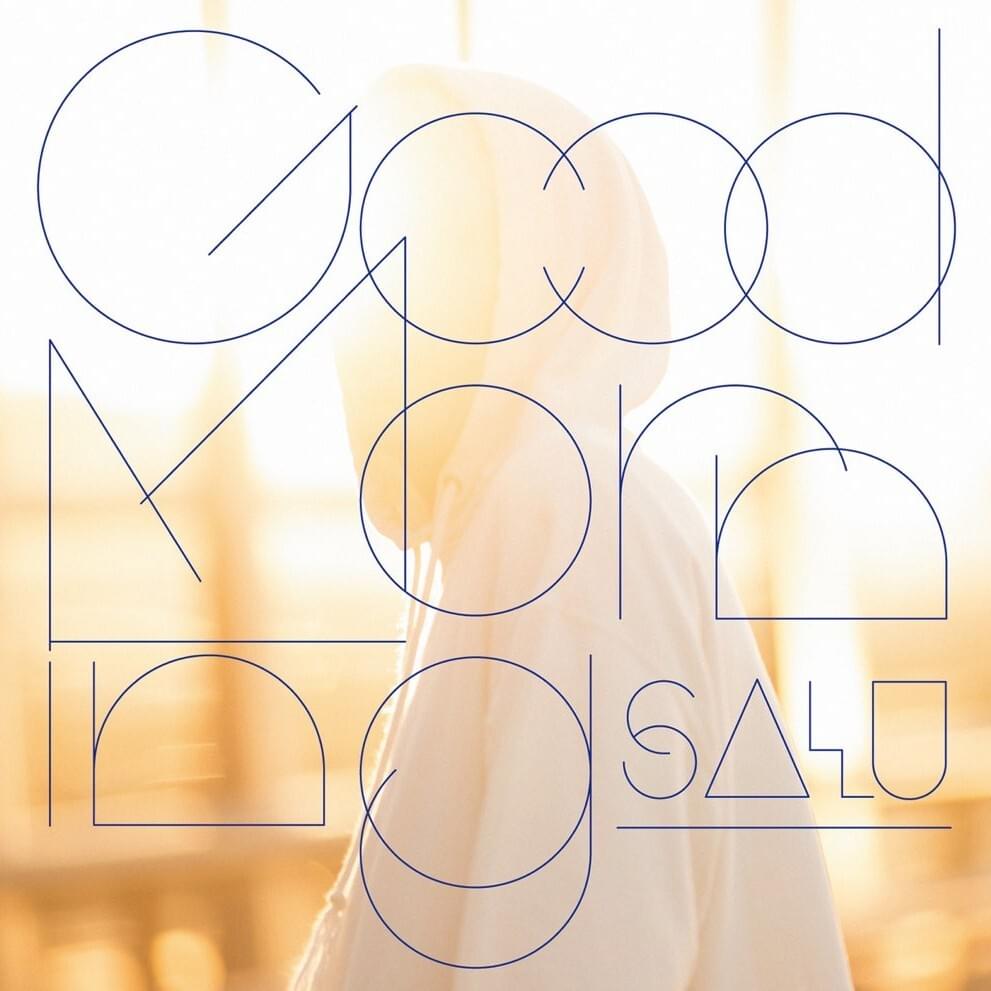
 View Artist