Song Meaning
The lyrics open with a direct address, a simple "How are you?" that immediately sets a tone of distant concern and lingering connection. The narrator contrasts the coldness of Tokyo with a hint that not everything is bad, while also asking if the friend's nights are also chilly. This establishes a sense of shared, yet separate, experiences, hinting at a past where they navigated these environments together. The immediate feeling is one of someone reaching out across a divide, grappling with unspoken history and the passage of time.
The core tension arises from a past moment of inaction. The narrator recalls rushing with their friend on "Koshu Kaido at midnight," a vivid image of shared youth and urgency. This contrasts sharply with the present realization: "My body ages every minute, every second / But this heart is still the same as back then." The narrator confesses, "What should I have done back then? / What do friends do in times like these? / There was no right answer, so I should have done something / I just watched." This self-recrimination over a past failure to act, a moment where they "just watched," fuels the entire emotional weight of the song, creating a profound sense of regret.
The most striking craft element is the narrator's struggle to articulate their feelings, a struggle that defines the song's structure and message. They state, "It's not 'sorry,' / It's not 'thank you,' / What resulted is just accumulated silence." This inability to find the right words for their complex emotions—a mix of regret, gratitude, and perhaps guilt—leads them to write this letter. The repeated refrain, "Dear My Friend, Oh My Friend," acts as both an anchor and a plea, a constant return to the central relationship and the unresolved questions about their friend's state and their shared past.
This song hits hard because it captures that universal ache of looking back at a friendship and realizing a crucial moment was mishandled. The narrator's confession of simply watching, of accumulating silence instead of action or words, is a raw and relatable expression of regret. The repeated questions, "How are you feeling now?" and "Why did it turn out this way?" combined with the wistful memory of shared youth, create a powerful emotional resonance. The act of writing this letter, this "something" they want to do now, is a testament to the enduring impact of the friendship and the deep-seated desire for connection and understanding, even across a gulf of time and unspoken pain.
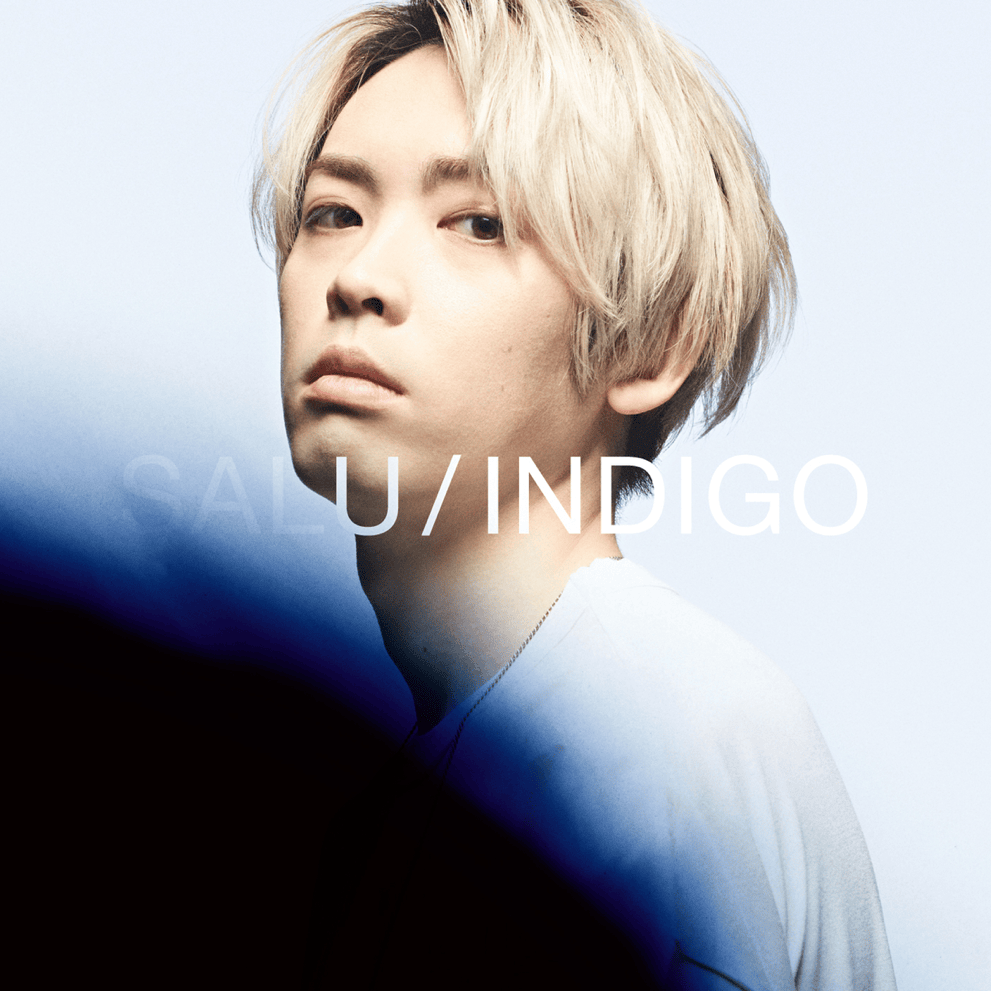
 View Artist