Song Meaning
The narrator navigates a rain-slicked Tokyo, observing a blonde European girl and contemplating how the city appears through her eyes. This moment sparks a personal reflection on ambition and forward momentum, contrasting the perceived limitations of his environment with his own drive to "impossible possible." He references hip-hop titans like SEEDA, Dre, Kendrick, and Eminem, framing his own aspirations within a lineage of artistic innovation and success, aiming to reach figures like Rick Rubin and Jay-Z. This ambition is rooted in love, defining his unique vision of Tokyo. The lyrics acknowledge the city's duality – its grit and its beauty – and express a plea for acceptance of both its facets. This personal Tokyo is one where dreams are visible and achievable through love, promising a future where happiness prevails.
The core tension lies in the narrator's evolving perception of Tokyo and his place within it. He admits to once disliking the city's harsh realities – the homeless, the drunkards, the chaotic sirens – but now embraces them as part of its character. This shift signifies personal growth and a deeper understanding of the city's complex identity. He asserts that regardless of the path taken, success and recognition will follow, provided he remains true to his own desires and aspirations. The pursuit of dreams, both for himself and to inspire others, has become his current reality, a testament to his unwavering passion.
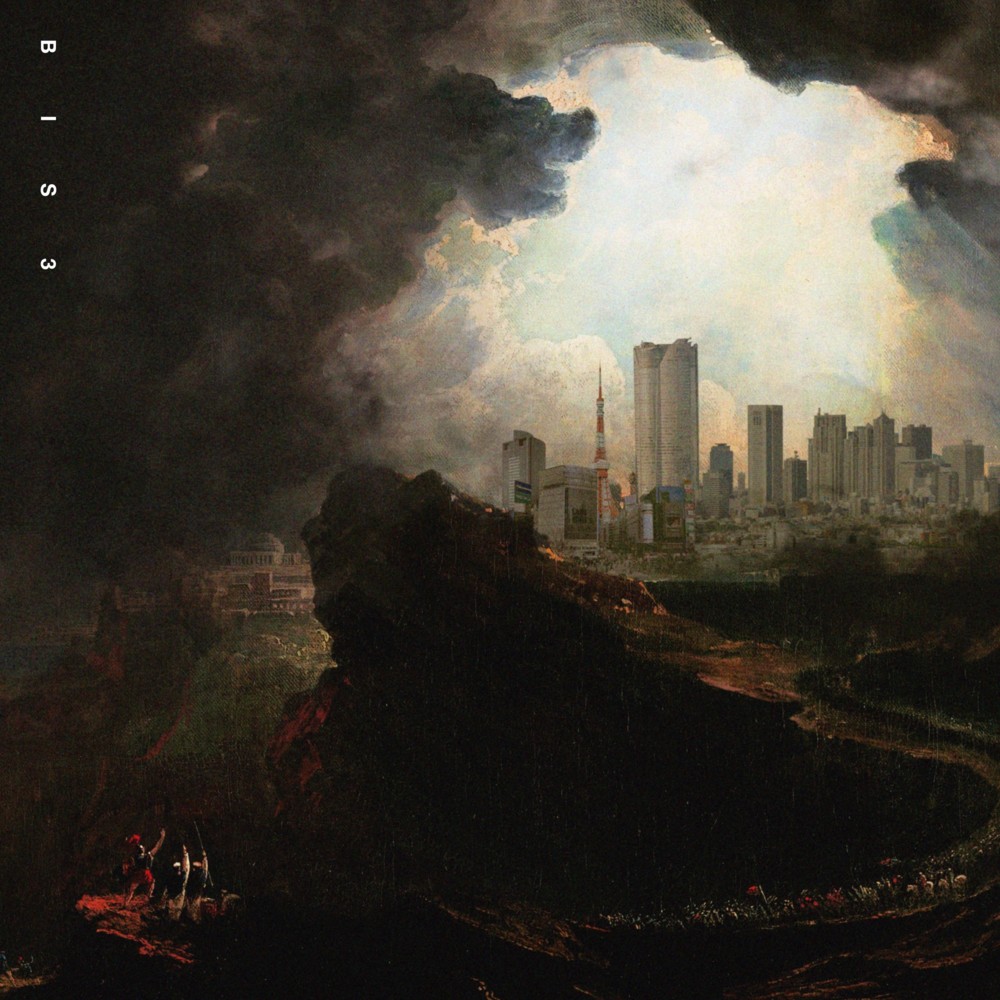
A striking element of the lyrics is the juxtaposition of gritty urban imagery with aspirational hip-hop references and a profound sense of love. The narrator envisions his own journey through Tokyo, referencing American hip-hop pioneers to articulate his ambition. This creates a unique cultural blend, grounding his dreams in a specific, often overlooked, urban landscape while reaching for global artistic benchmarks. The repeated phrase "夢が見える" (Yume ga mieru - dreams are visible) underscores this theme, suggesting that even amidst the rain and urban sprawl, the potential for success and happiness is ever-present and illuminated.
Ultimately, the effectiveness of these lyrics stems from their raw honesty and the narrator's palpable transformation. He moves from external observation to internal conviction, finding beauty and possibility in a city he once scorned. The integration of personal ambition with a broader desire for collective well-being, encapsulated in the chorus's promise that "no one has to cry anymore," creates an emotionally resonant narrative. The rain, initially a potential symbol of melancholy, becomes a backdrop for a vision of a luminous, hopeful Tokyo, where dreams are not just chased but actively realized through love and unwavering belief.
 View Artist